
How to Prepare Your Roof for Winter Weather?
As winter approaches, it is essential to ensure that your roof is ready to withstand the harsh weather conditions that come with the season. Snow, ice, and freezing temperatures can lead to severe damage if your roof is not adequately prepared. In this article, we will discuss some essential steps to prepare your roof for winter weather and ensure that your home remains warm, dry, and safe throughout the season.
1. Inspect your roof for damage
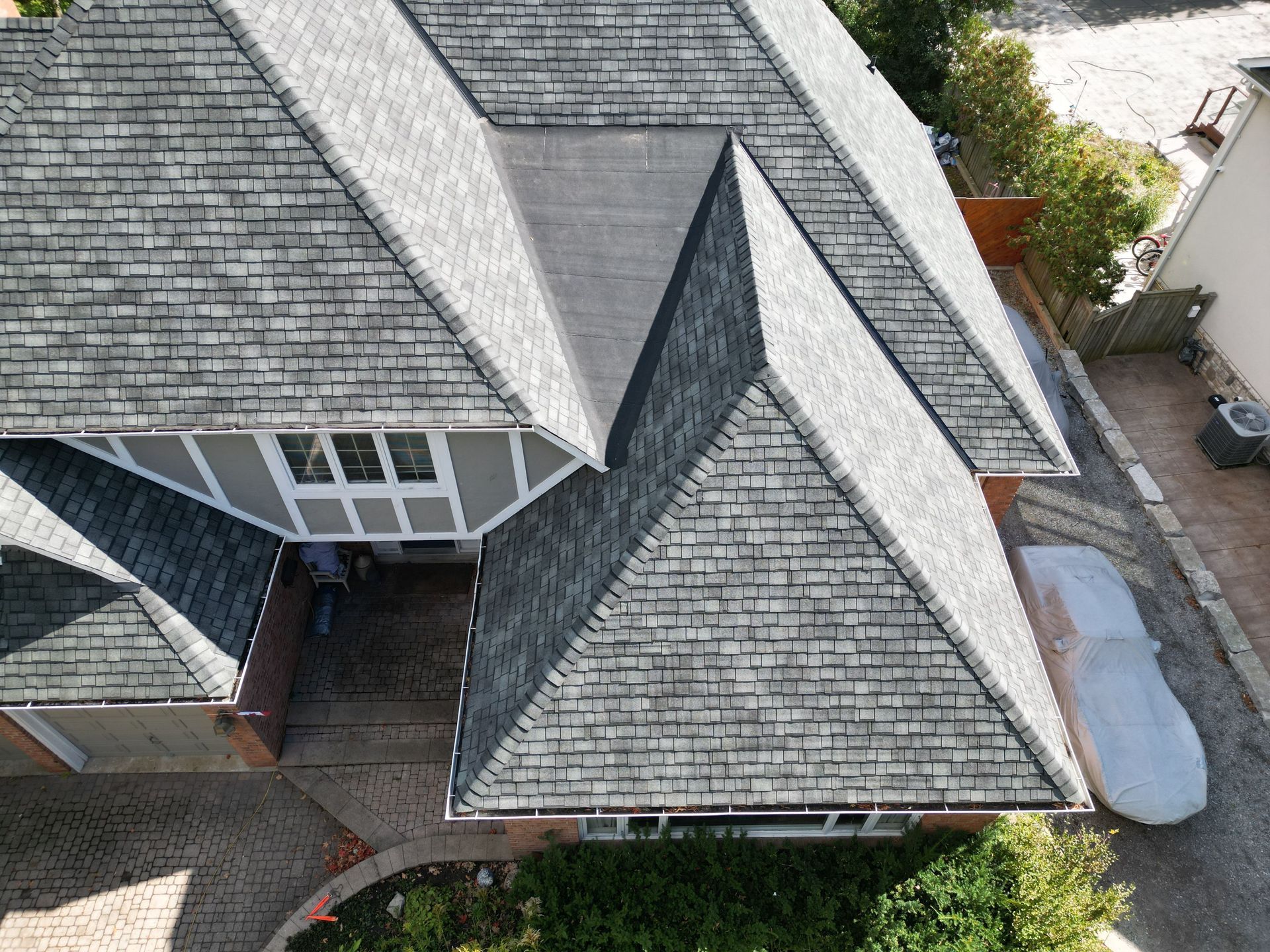
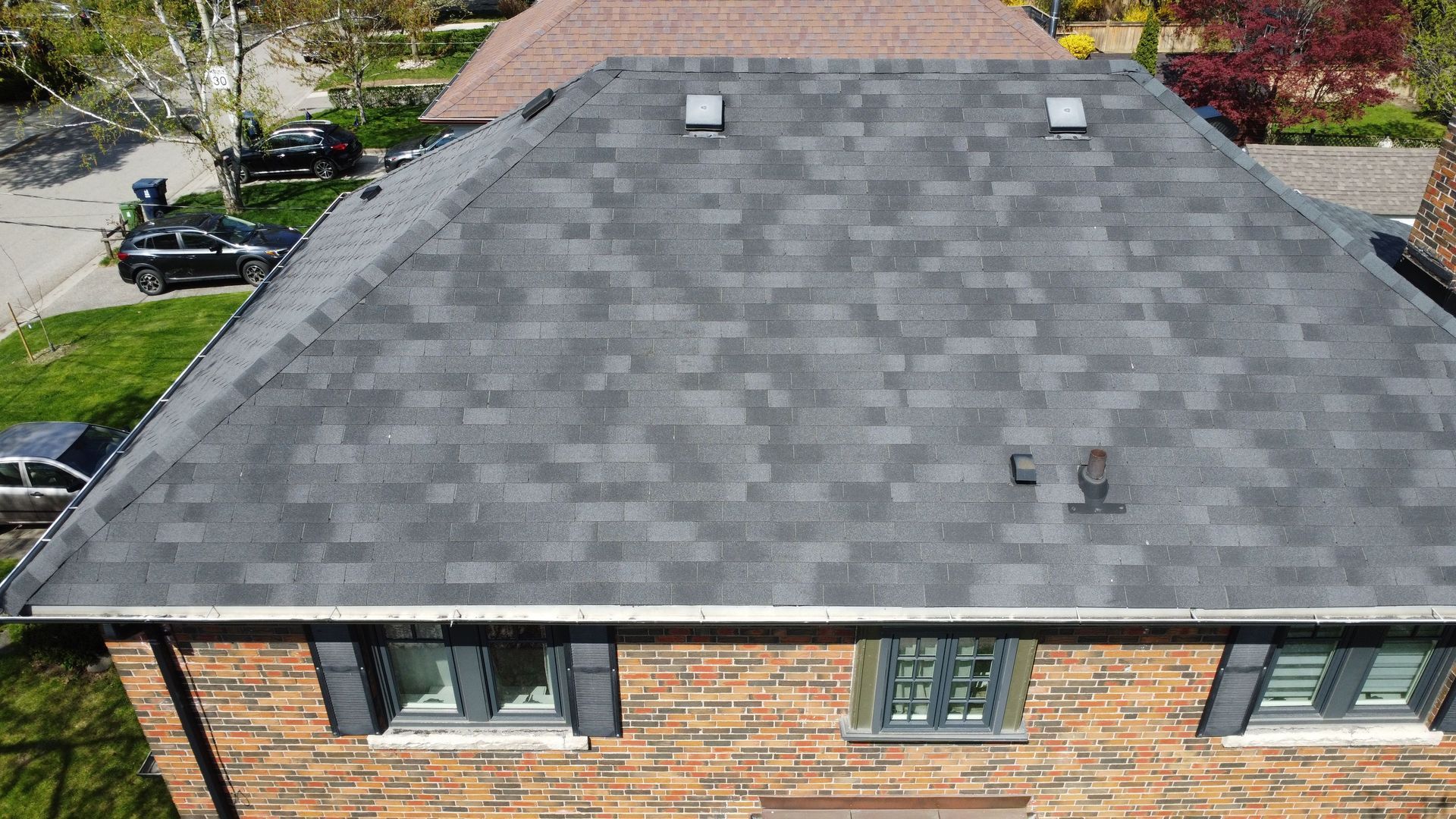
The first step in preparing your roof for winter is to inspect it for any signs of damage. Look for missing, damaged, or loose shingles, as these can allow water to penetrate your roof, leading to leaks and potential damage to your home's interior. Also, inspect your roof for any signs of mold, mildew, or rot, as these issues can weaken the structure and make it more susceptible to damage during winter storms. If you notice any problems, contact a professional roofing company like AAA Roofmasters to address the issue promptly.
2. Clean your gutters and downspouts
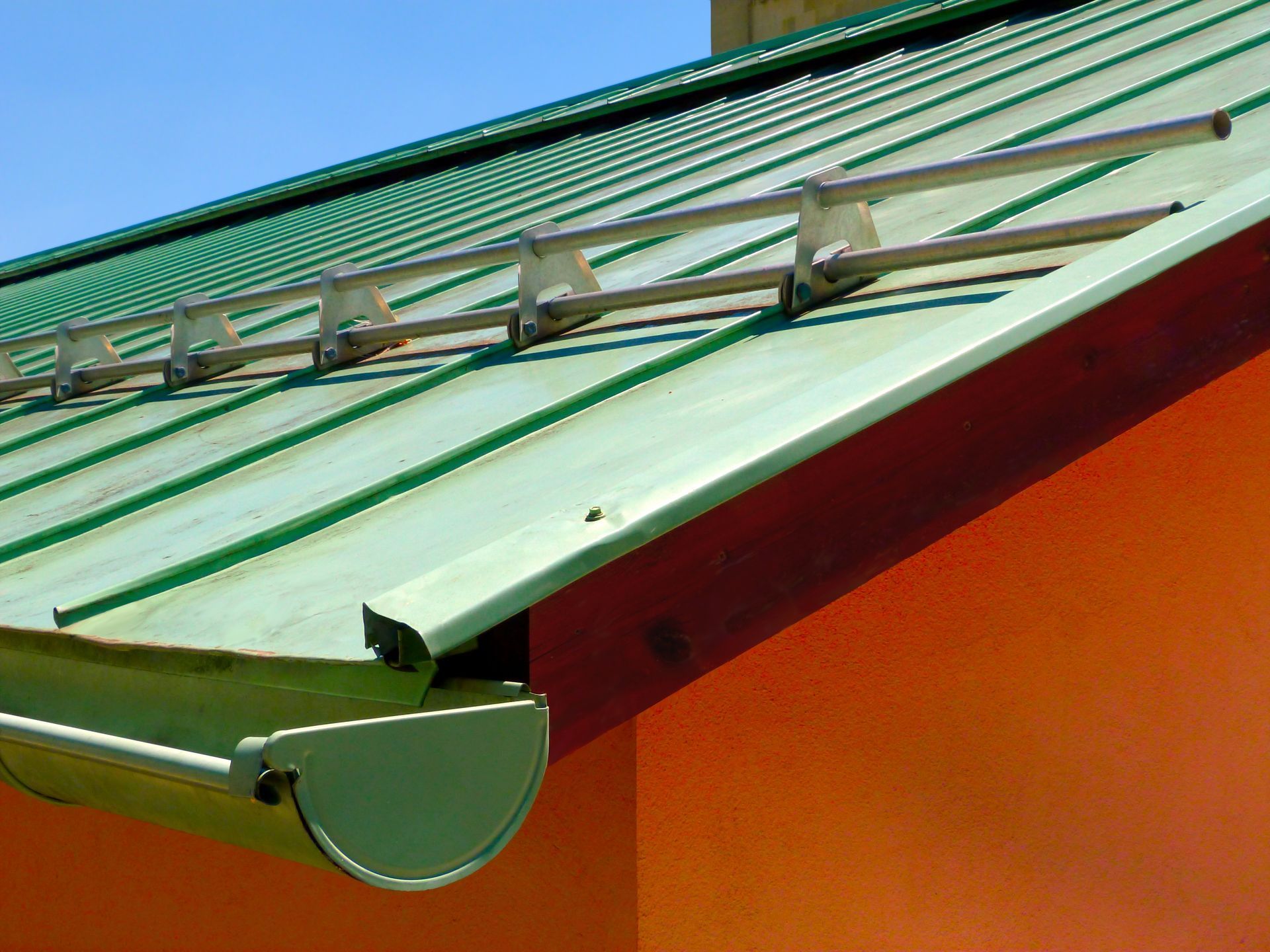
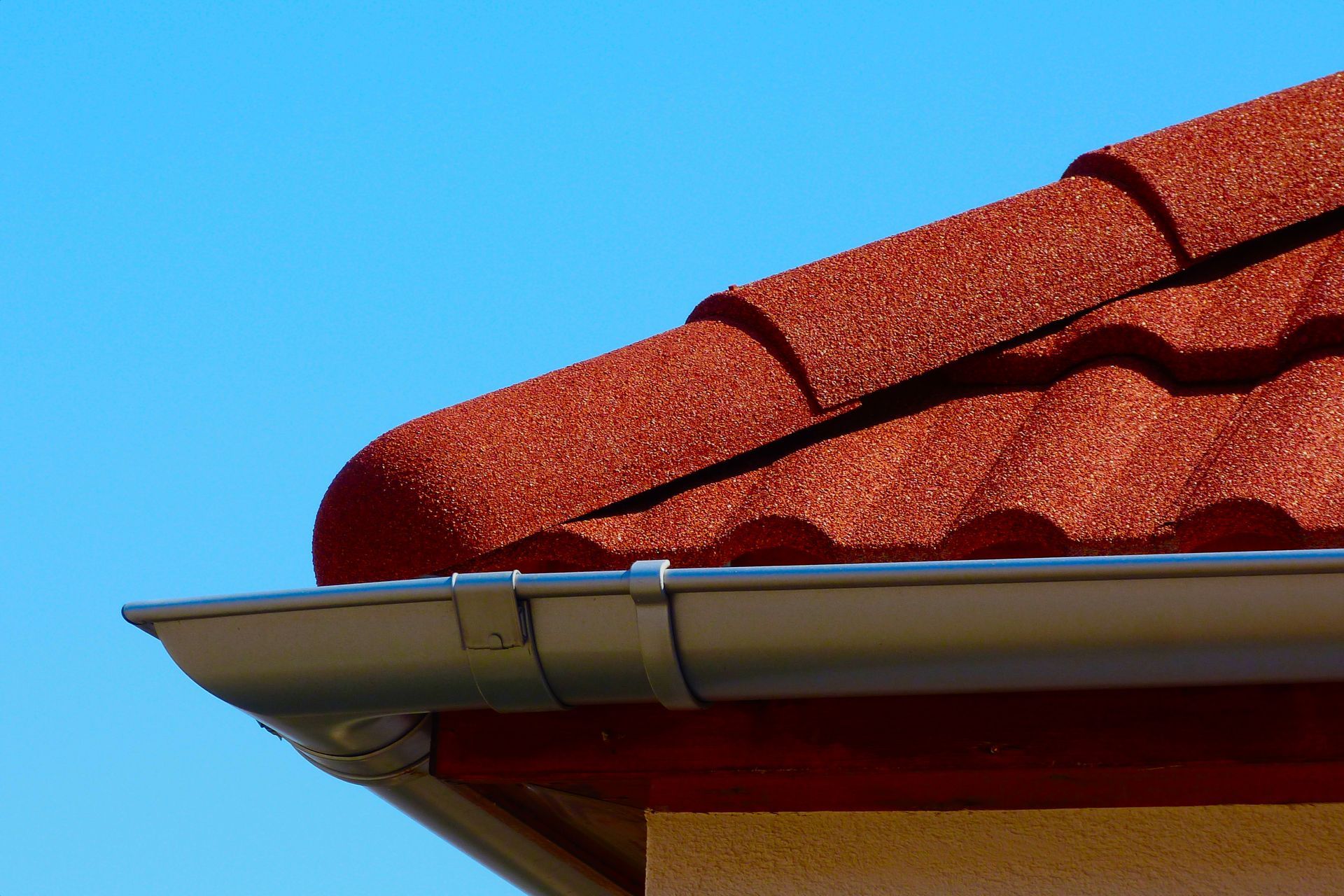
Gutters and downspouts play a crucial role in directing water away from your roof and foundation. However, if they become clogged with leaves, debris, and dirt, they can lead to water pooling on your roof and causing damage. Before winter arrives, make sure to clean your gutters and downspouts thoroughly, removing any debris and ensuring that water can flow freely. This will help prevent ice dams from forming on your roof and minimize the risk of water damage.
3. Inspect and repair flashing
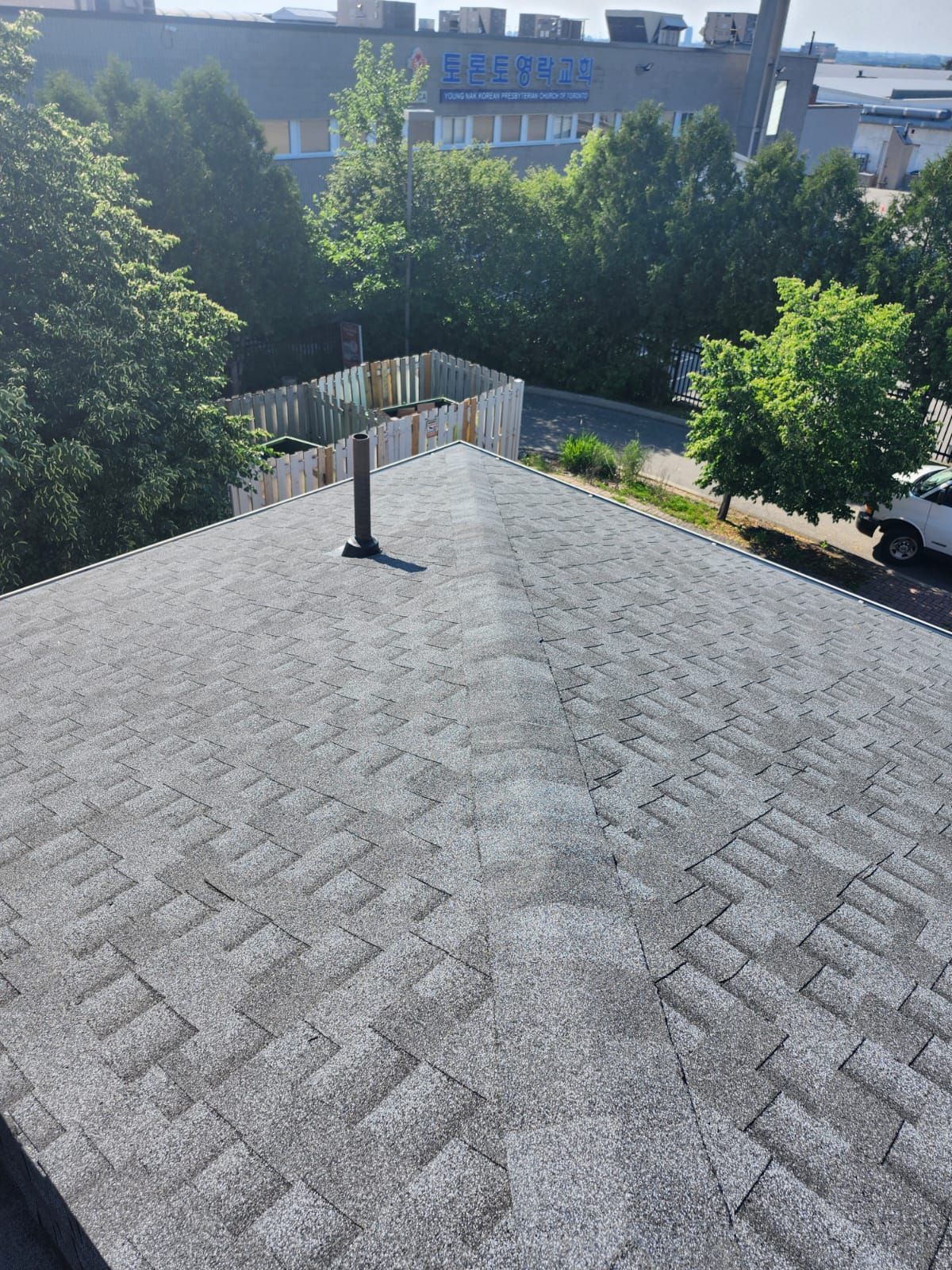
Flashing is the material used to seal joints, edges, and other areas where your roof meets another surface, such as a chimney or vent. Damaged or loose flashing can allow water to seep into your home, leading to leaks and potential structural damage. Before winter arrives, inspect your roof's flashing for any signs of damage and repair or replace it as needed to ensure a watertight seal.
4. Trim overhanging tree branches
Overhanging tree branches can pose a significant risk to your roof during winter storms. Heavy snow and ice can cause branches to break and fall onto your roof, leading to damage or even a potential collapse. Before winter arrives, trim any branches that are within six feet of your roof to reduce the risk of damage.
5. Insulate your attic
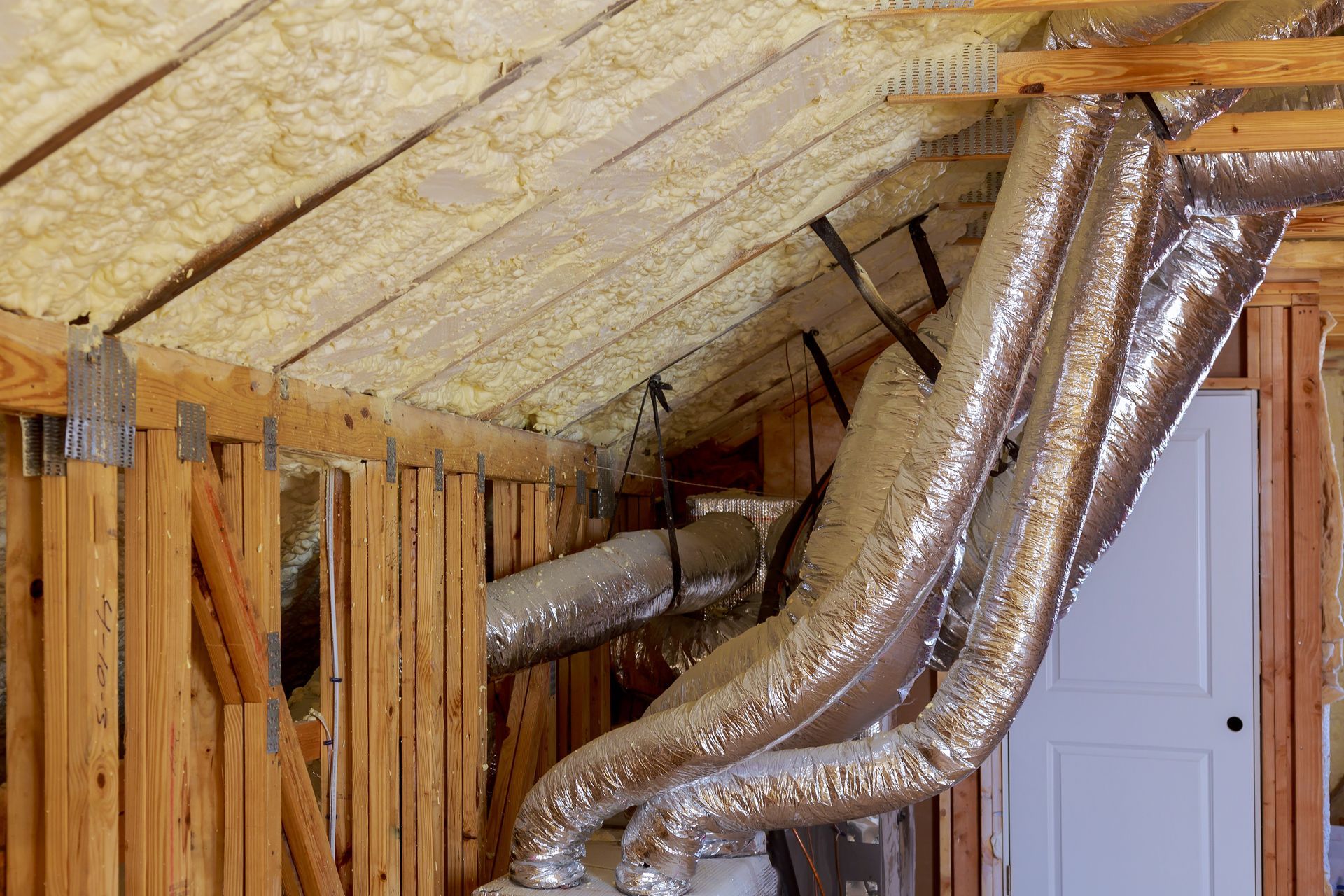
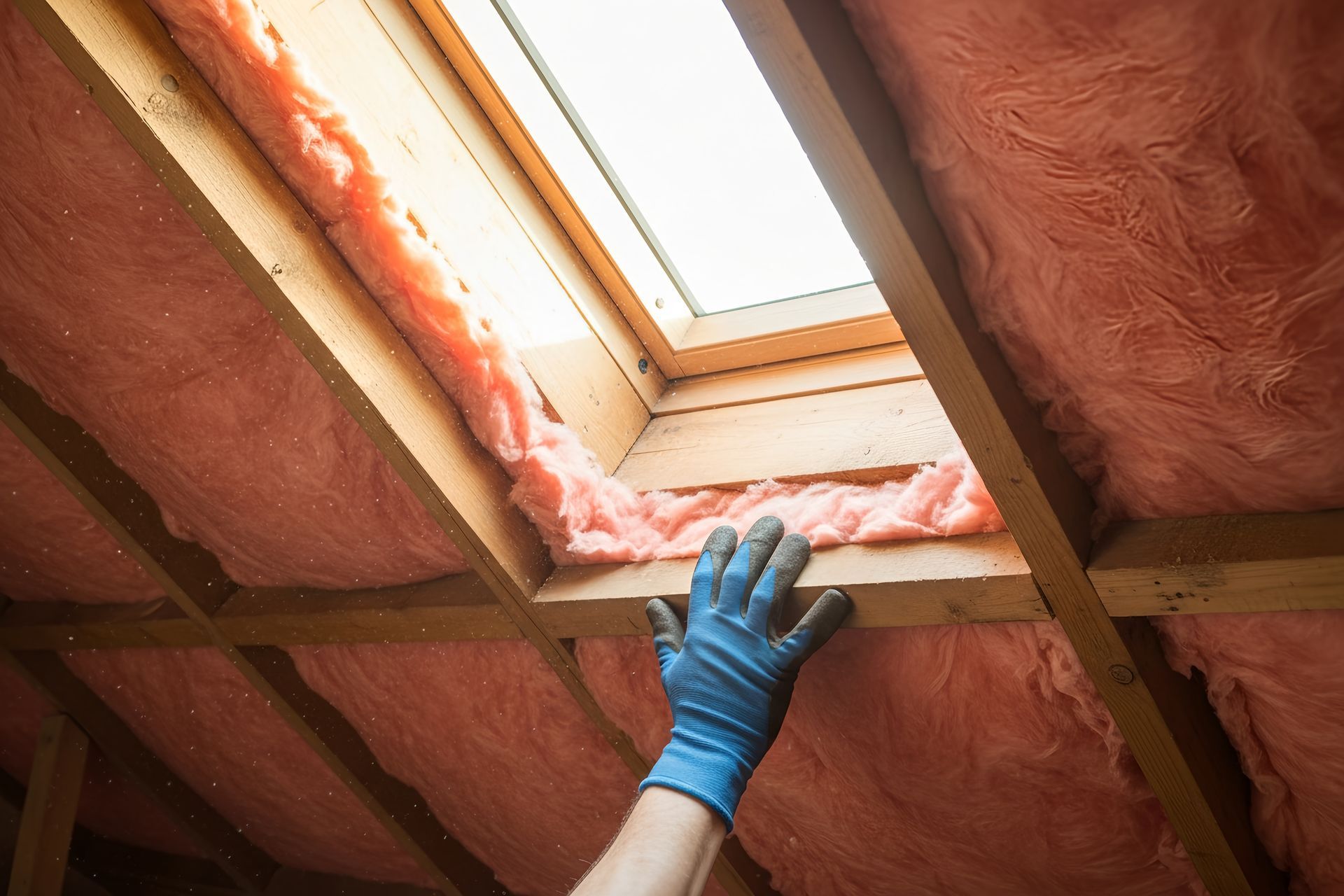
Proper attic insulation is crucial for maintaining a comfortable temperature inside your home during the winter months. It also helps prevent heat from escaping through your roof, which can lead to ice dams and potential damage. Make sure your attic is well-insulated and that there are no gaps or leaks in the insulation.
6. Check for proper ventilation
A well-ventilated roof is essential for preventing ice dams and maintaining a healthy indoor environment. Ensure that your roof has proper ventilation, including soffit vents, ridge vents, and gable vents, to allow for adequate airflow and prevent moisture buildup.
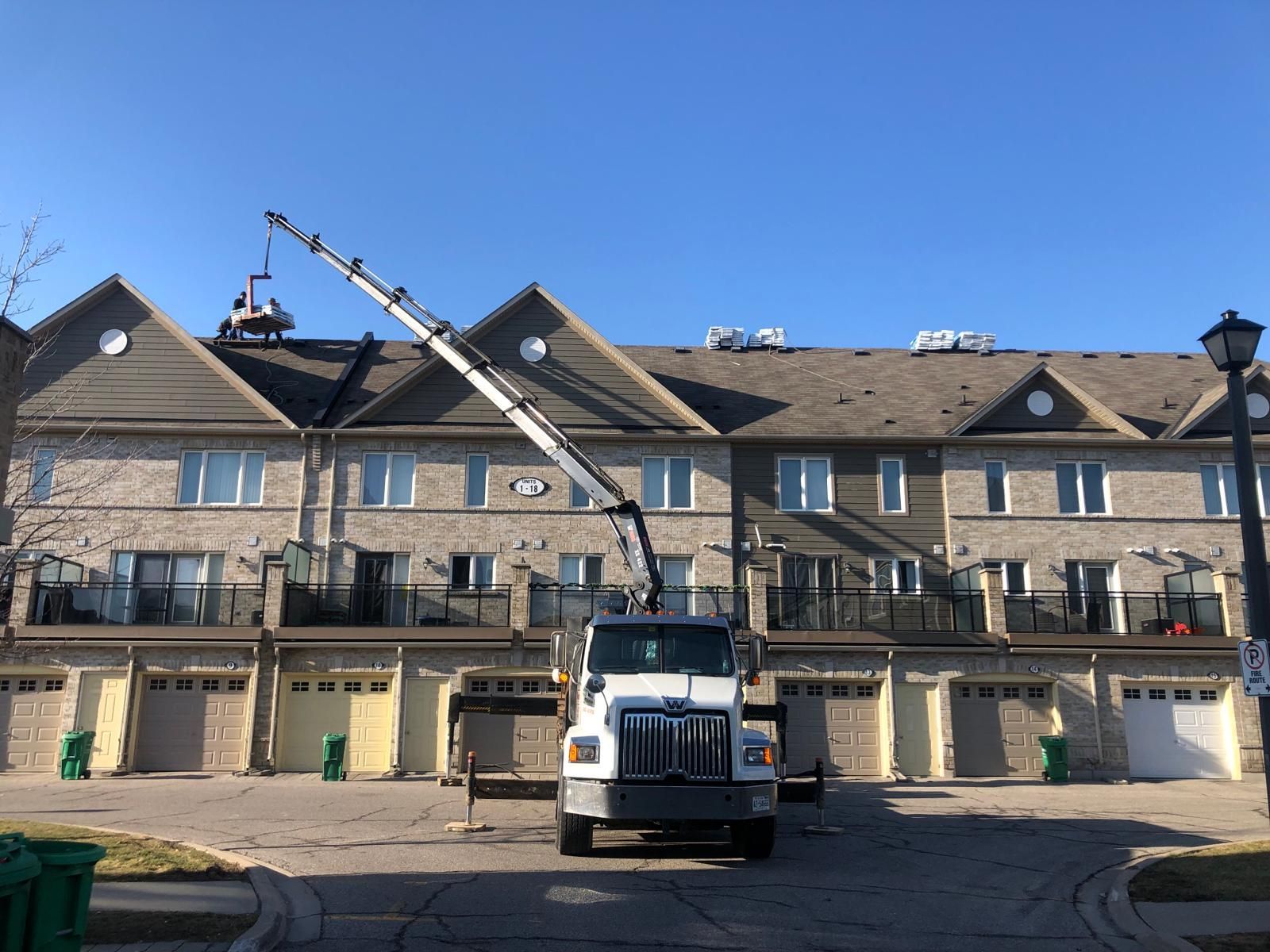
By following these steps, you can ensure that your roof is ready to withstand the harsh winter weather and protect your home from potential damage. However, if you're unsure about any aspect of preparing your roof for winter or need professional assistance, don't hesitate to contact AAA Roofmasters. With decades of experience, a commitment to using high-quality, modern materials, and a team of skilled tradesmen, we can help you ensure that your roof is in its best possible condition for the winter months.
Don't wait until the first snowfall to address any potential roofing issues. Contact AAA Roofmasters today to request a quote and learn more about our comprehensive range of services, including roof repairs, replacements, and property management.