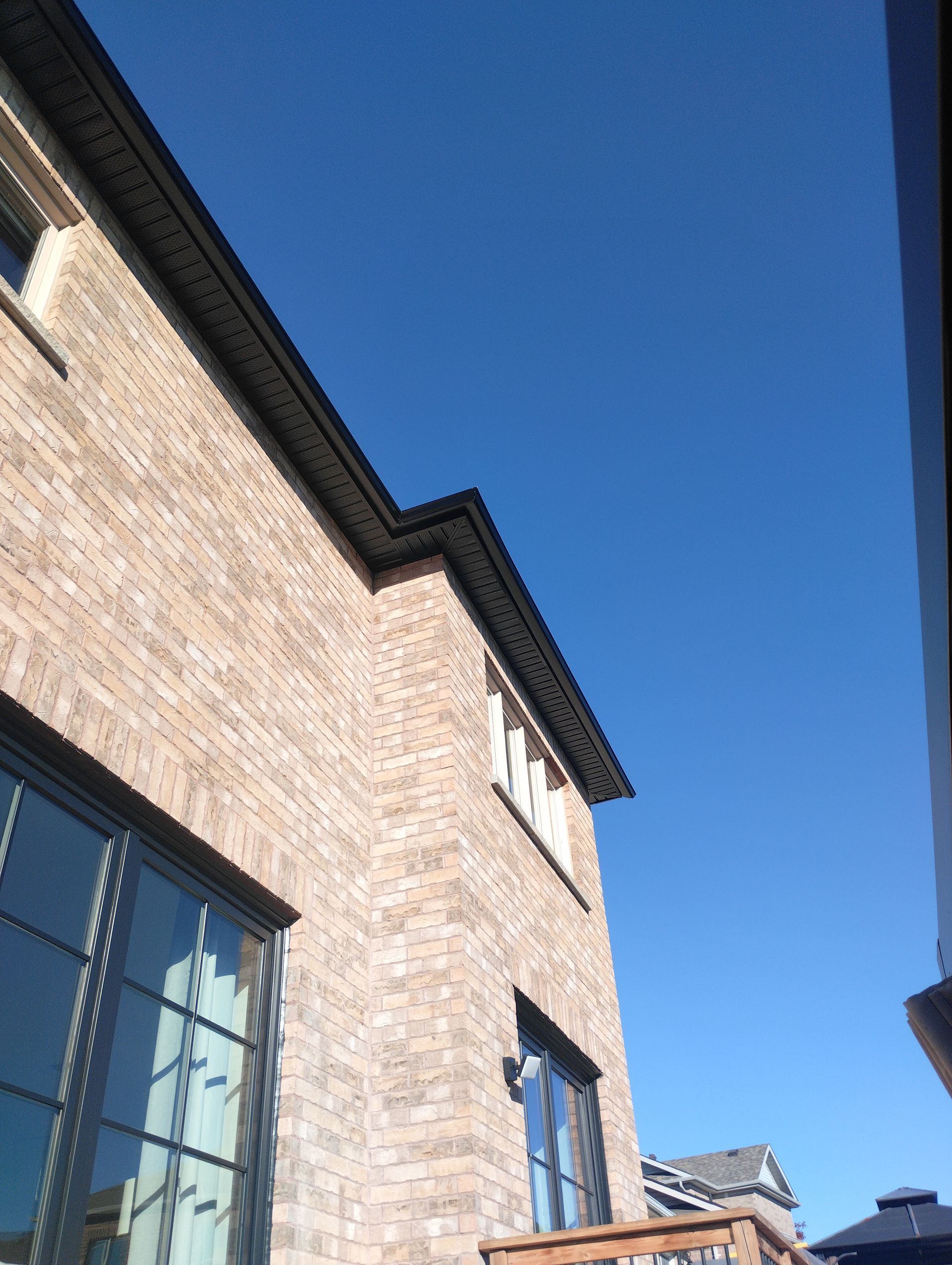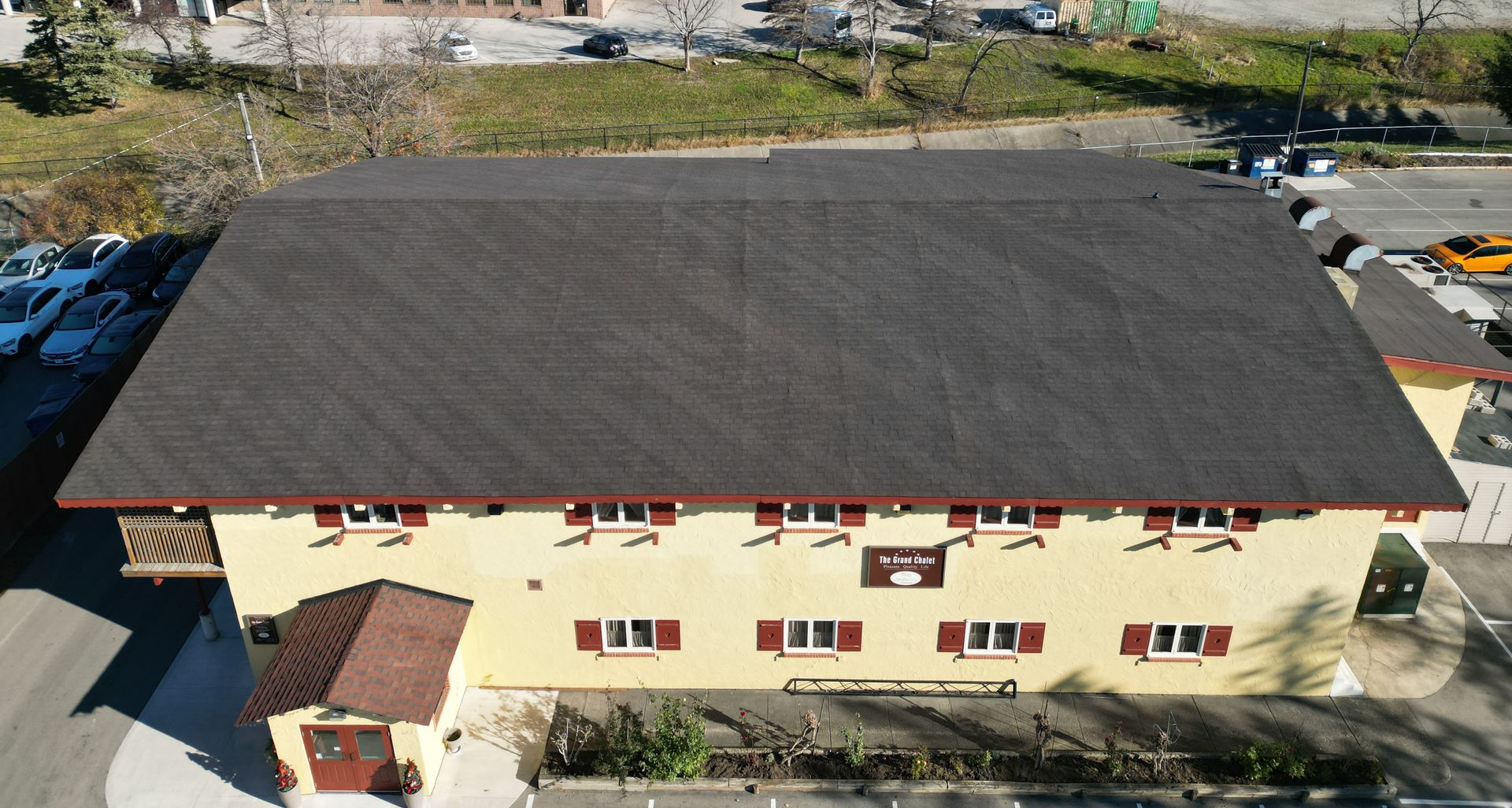

Upgrading to 5-Inch Eavestroughs: What You Need to Know First
Homeowners are constantly faced with important decisions about property upgrades and water management. Choosing the right drainage system protects your foundation and prevents costly water intrusion. That is where AAA Roofmasters can help you navigate the technical details of modern exterior plumbing. We believe in providing homeowners with clear facts before they make a significant financial commitment.
If you are dealing with overflowing gutters in Oakville, ON during heavy summer storms, upgrading to a larger system is often the best solution. Many older homes were built with standard four-inch troughs that simply cannot handle today's intense downpours. Before you hire a contractor for eavestrough replacements, it is vital to understand what makes a five-inch system different. Knowing what to ask ensures you get a durable product installed correctly the first time.
In This Article:
- Understanding the Capacity Shift
- Are 5-inch eavestroughs better than standard 4-inch gutters?
- Red Flags to Watch for in Quotes
- Questions to Ask Your Installer
- Booking Your Upgrade
Understanding the Capacity Shift
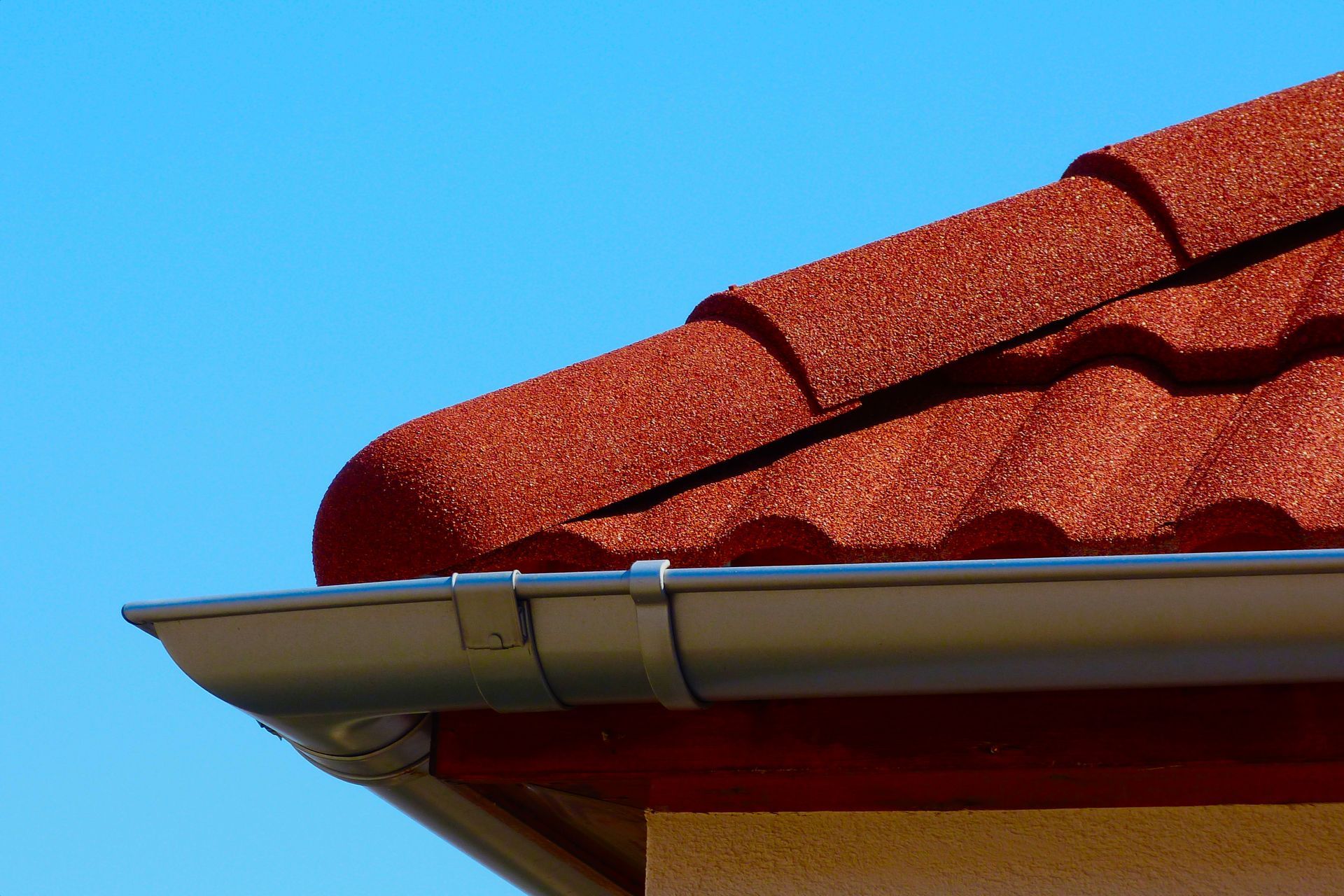
The shift from a four-inch to a five-inch gutter might sound minimal on paper. However, that single inch of width translates to a massive increase in the volume of water the system can hold and transport. This extra capacity prevents water from spilling over the front edge and pooling around your foundation walls.
- Volume Increase: A five-inch system holds significantly more water per foot than a traditional residential trough.
- Debris Clearance: The wider channel allows leaves and small twigs to flow toward the downspout without causing immediate clogs.
- Fascia Protection: Keeping the water contained prevents heavy overflow from rotting the wooden fascia boards behind the gutter.
Are 5-inch eavestroughs better than standard 4-inch gutters?
Yes, five-inch eavestroughs are structurally superior for modern weather patterns because they move higher volumes of water away from the roofline faster. A steep sloped roofing setup pushes rainwater down at a very high velocity during a storm. Standard four-inch gutters are often overwhelmed by this speed and allow water to shoot right over the outer edge. Upgrading to a five-inch profile catches that fast-moving runoff effectively.
Red Flags to Watch for in Quotes
When evaluating providers for this service, the details written into the estimate tell you exactly how the company operates. Missing information or vague promises are clear warning signs of a subpar installation.
- Missing Downspout Details: A quote should specifically state the size of the downspouts being used to match the new five-inch gutters.
- Vague Material Gauges: The estimate must list the exact thickness of the aluminum being installed to prevent denting.
- Unclear Fastening Methods: Avoid quotes that do not specify whether they use heavy-duty hidden brackets or outdated spike and ferrule systems.
Questions to Ask Your Installer
You are entirely within your rights to interview your roofing contractor before signing an agreement. Asking specific technical questions separates the skilled tradesmen from the amateurs.
Bracket Spacing: Ask exactly how far apart they place their support brackets to ensure the wider trough does not sag under heavy rain.
Corner Sealing: Question what type of specialized sealant they use on the miters to prevent the corners from dripping.
Slope Calculations: Inquire about how they calculate the pitch of the new gutter to guarantee water actually flows toward the downspouts.
Booking Your Upgrade
Installing a high-capacity drainage system gives you peace of mind the next time a severe storm rolls through. Asking the right questions upfront protects your investment and ensures a flawless installation. Reach out to our team today to get a detailed assessment and a transparent quote for your property.