
Shingle Wind Lift Problem: How to Secure Your Sloped Roof Quickly
Homeowners are constantly faced with important decisions about post-storm property assessment. When severe weather hits your neighborhood, the damage left behind is not always immediately obvious from the ground. That is where AAA Roofmasters steps in to provide professional clarity on subtle structural compromises. We focus on diagnosing hidden wear and tear so you can protect your property effectively.
Heavy September gusts cause a specific type of damage to sloped roofing known as wind lift. Homeowners in Toronto, ON often assume their roof is fine simply because no shingles have blown completely off the house. The reality is that wind often forces the shingles upward just enough to break the factory sealant strip underneath. Understanding how to spot and correct this broken bond prevents water from creeping into your living space.
What We Cover:
- Understanding Wind Lift Damage
- Identifying Broken Sealant Bonds
- How do roofers fix shingles that have lifted in the wind?
- Why DIY Shingle Fixes Fail
- Locking Down Your Roof
Understanding Wind Lift Damage
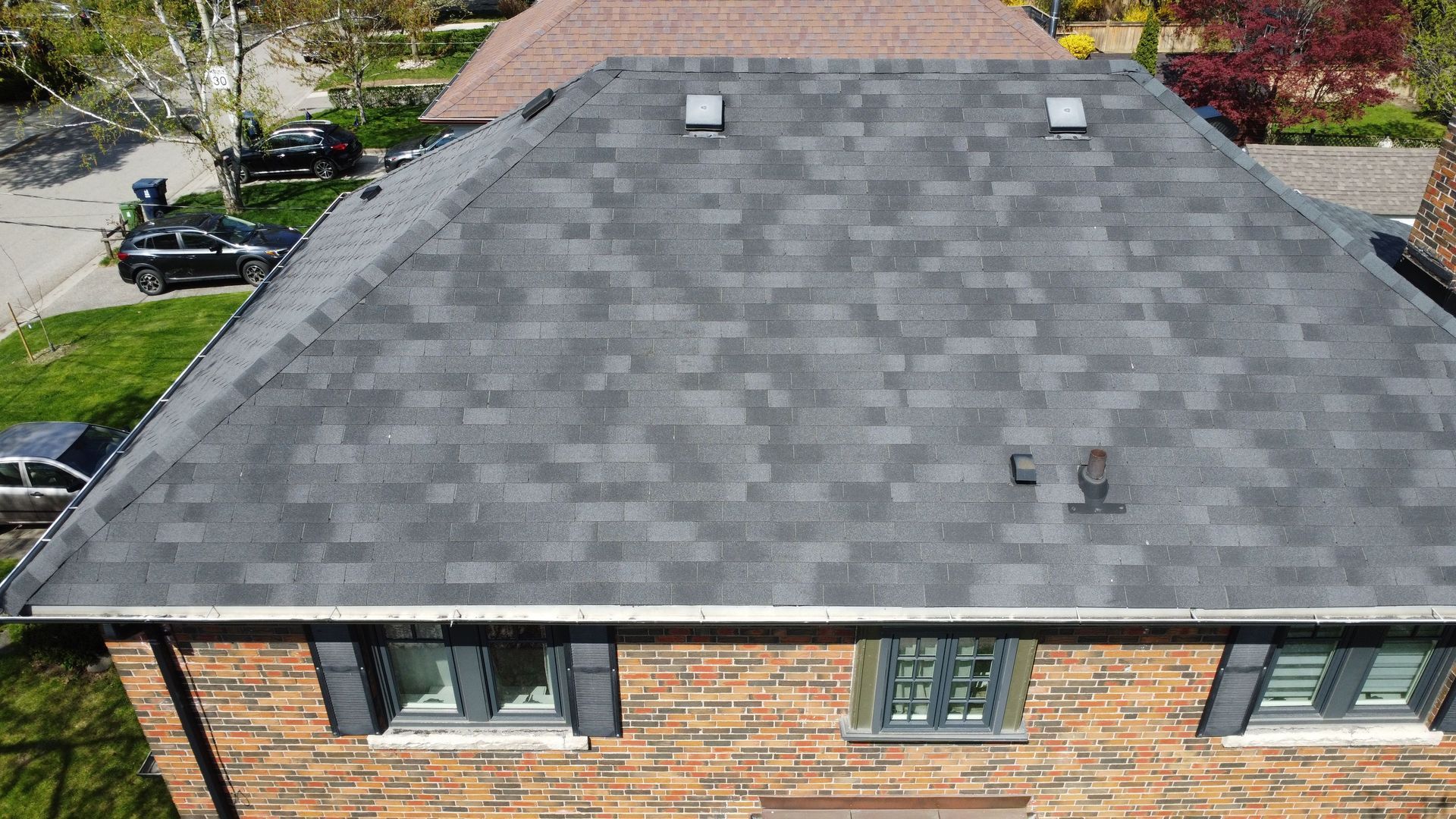
Asphalt shingles are designed to lay flat and overlap one another to shed water efficiently. A line of heat-activated adhesive runs along the underside of each shingle to glue it firmly to the row below. When wind hits the roof at a harsh angle, it creates an updraft that pulls against this adhesive. If the wind is strong enough, the sealant bond snaps and the shingle flaps in the breeze.
Once the wind dies down, the lifted shingle usually drops back into its normal resting position. This makes the roof look completely undamaged to the untrained eye. However, because the adhesive seal is now broken, the flap is essentially unattached. The next time it rains, water easily blows sideways right under the loose material and soaks the wooden deck below.
→ A quick tip to remember: Just because all your shingles are still physically on the roof does not mean they are actually protecting the house.
Identifying Broken Sealant Bonds
Detecting wind lift requires getting close to the roof surface to inspect the materials manually. Professionals look for distinct visual clues left behind by the flapping motion. You will often see a horizontal crease running across the top third of the shingle where the wind folded it backward. This sharp crease causes a heavy loss of protective granules in a perfectly straight line.
Another clear indicator is debris caught underneath the overlapping edge. When the wind lifts the material, dirt and small leaves blow into the gap. Once the shingle settles back down, the debris is trapped, preventing the shingle from sitting perfectly flat.
How do roofers fix shingles that have lifted in the wind?
Roofers fix wind lift by carefully lifting the compromised shingle and cleaning out any trapped debris from the overlapping layer. They then apply specialized roofing cement along the bottom edge to manually recreate the broken adhesive bond. If the shingle is heavily creased or cracked from folding backward, the professional will completely remove the damaged piece and slide a new matching shingle into the array.
Why DIY Shingle Fixes Fail
Attempting to glue down flapping shingles yourself is a guaranteed way to cause worse damage. Most homeowners grab standard construction adhesive or silicone caulking from a hardware store. These products are not designed to withstand the extreme temperature fluctuations on a roof and will harden and crack in a matter of weeks. Furthermore, walking around on a roof to find loose tabs usually results in the homeowner accidentally breaking the sealant on healthy shingles with their boots.
Applying too much roofing cement is another classic DIY error. A thick layer of tar creates an artificial dam under the edge of the shingle. When rainwater drips down, it hits this dam and is forced horizontally toward the unprotected nail heads. Professional roof repairs require precise application methods to ensure the water continues to flow downward without interruption.
→ From a professional standpoint: Improperly repairing a lifted shingle often voids the manufacturer warranty for the entire roof section.
Locking Down Your Roof
Securing loose roofing materials immediately after a windstorm is the best way to prevent active indoor leaks. Catching the broken seals early allows for minor repairs rather than massive structural replacements. Reach out to our skilled team today to get a proper assessment and ensure your property is watertight.