
4 Trade Tips for Fixing Improper Eavestrough Slope and Drainage
Homeowners are constantly faced with important decisions regarding exterior plumbing and water management. When rain spills over the edge of your roofline, it points to a fundamental flaw in how your system handles volume. That is where AAA Roofmasters can help you understand the mechanics behind reliable property drainage. We provide straightforward facts to help you tackle frustrating maintenance issues with confidence.
Dealing with standing water in your gutters is a major headache for homeowners in Guelph, ON. If water refuses to drain, the horizontal pitch of the eavestrough is entirely incorrect. An improperly sloped system holds heavy water that breeds mosquitoes in the summer and tears down fascia boards in the winter. Following correct trade protocols for eavestrough repairs ensures that gravity does the hard work of pulling water safely away from your home.
In This Article:
- Tip #1: Calculate the Exact Pitch
- Tip #2: Realign the Fascia Board Mounts
- Tip #3: Check for Hidden Structural Sag
- Tip #4: Upgrade the Fastening System
- Frequently Asked Questions
- Restoring Proper Water Flow
Tip #1: Calculate the Exact Pitch
A gutter that looks perfectly straight from the street is actually guaranteed to fail. Water requires a deliberate downward angle to flow toward the drainage pipes.
- Trade Measurement: Professionals aim for a quarter-inch of downward slope for every ten feet of horizontal gutter run.
- Chalk Line Guide: Snap a highly visible chalk line directly onto the fascia board to map the exact descent before moving any hardware.
- Center High Point: If a long run of gutter has downspouts at both ends, the highest peak must be placed exactly in the middle to split the water flow.
Tip #2: Realign the Fascia Board Mounts
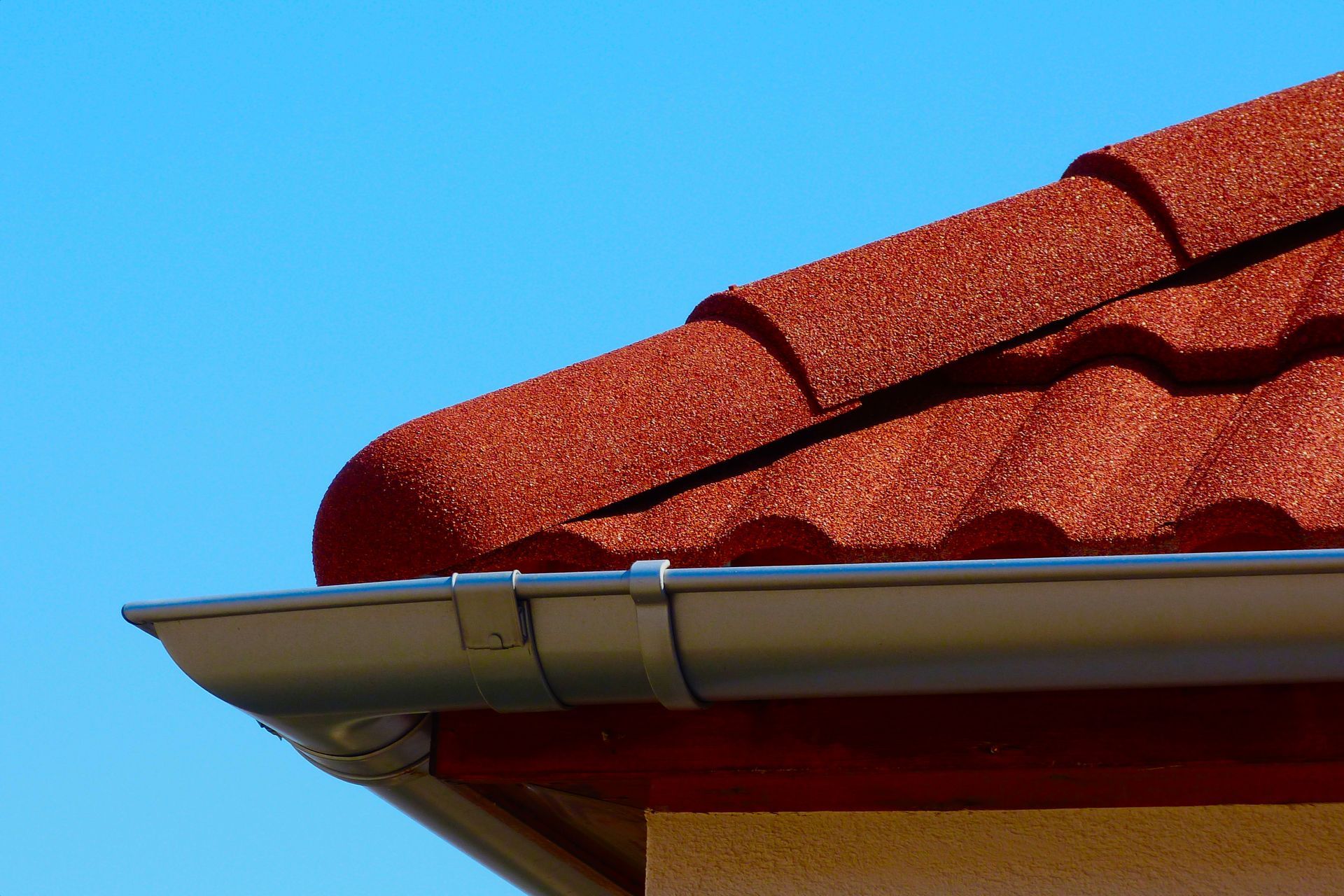
Adjusting the slope means physically detaching and remounting the aluminum profile. This must be done methodically to avoid bending the delicate metal edges.
- Sequential Loosening: Loosen the brackets starting from the lowest point near the downspout and work backward toward the high point.
- Wood Assessment: Inspect the exposed wood behind the old bracket holes to ensure it is solid enough to hold a new screw.
- Hole Sealing: Fill the abandoned screw holes in the wood with exterior grade caulking to prevent future wood rot.
Tip #3: Check for Hidden Structural Sag
Sometimes the aluminum itself has warped under the weight of previous ice dams. A warped trough will never drain correctly regardless of how the brackets are positioned.
- String Line Test: Pull a tight string from the highest point of the run straight to the lowest point.
- Gap Checking: Look closely to see if the top edge of the aluminum dips away from the string line in the middle sections.
- Material Replacement: If the metal is permanently bowed out of shape, trying to force it back will only snap the seams, requiring professional replacement.
Tip #4: Upgrade the Fastening System
The hardware you use dictates how long your newly corrected slope will actually last. Old mounting methods simply cannot hold up to modern weather patterns.
- Hidden Hangers: Trade professionals rely on heavy-duty internal hangers that clip under the front lip and screw directly into the back board.
- Deep Penetration: Ensure the mounting screws penetrate at least two inches into the solid rafter tails behind the cosmetic fascia.
- Spacing Reduction: Place the new hangers closer together than the original setup to provide rigid support for the corrected angle.
Frequently Asked Questions
What is the correct pitch for a residential eavestrough?
The standard rule for residential exterior drainage is dropping the run by a quarter of an inch for every ten feet of length. This slight angle provides enough gravity to pull heavy rain and small debris toward the downspout. It is subtle enough that it remains visually unnoticeable from the ground while still functioning perfectly.
Can you adjust the slope of an existing seamless gutter?
Yes, you can adjust the pitch of an existing run as long as the aluminum profile is not permanently twisted or crushed. A skilled tradesman will carefully remove the internal fasteners, adjust the entire length to the correct chalk line, and re-secure it. If the metal is kinked, adjusting the slope will not fix the broken structural integrity.
Why is water standing still in my gutters?
Water stands still when the highest point of the gutter channel is lower than the downspout opening. This reverse slope forces rainwater to pool heavily in the middle or far end of the run. Over time, the massive weight of this trapped water pulls the nails out of the wood and makes the sag even worse.
Restoring Proper Water Flow
Fixing an incorrect gutter pitch removes the threat of overflowing water destroying your foundation walls. By making sure gravity is working for you, your drainage system will remain clear and highly functional. Give our experienced team a call today to have your slopes correctly calculated and realigned.