

Roof Valley Repairs: The Hard Truth About Patching vs. Replacing
Homeowners are constantly faced with important decisions about managing active property damage. When water starts dripping from your ceiling, the immediate reaction is to find the fastest and cheapest fix available. That is where AAA Roofmasters steps in to provide honest advice about long-term building health. We focus on delivering professional facts so you can avoid wasting money on temporary band-aids.
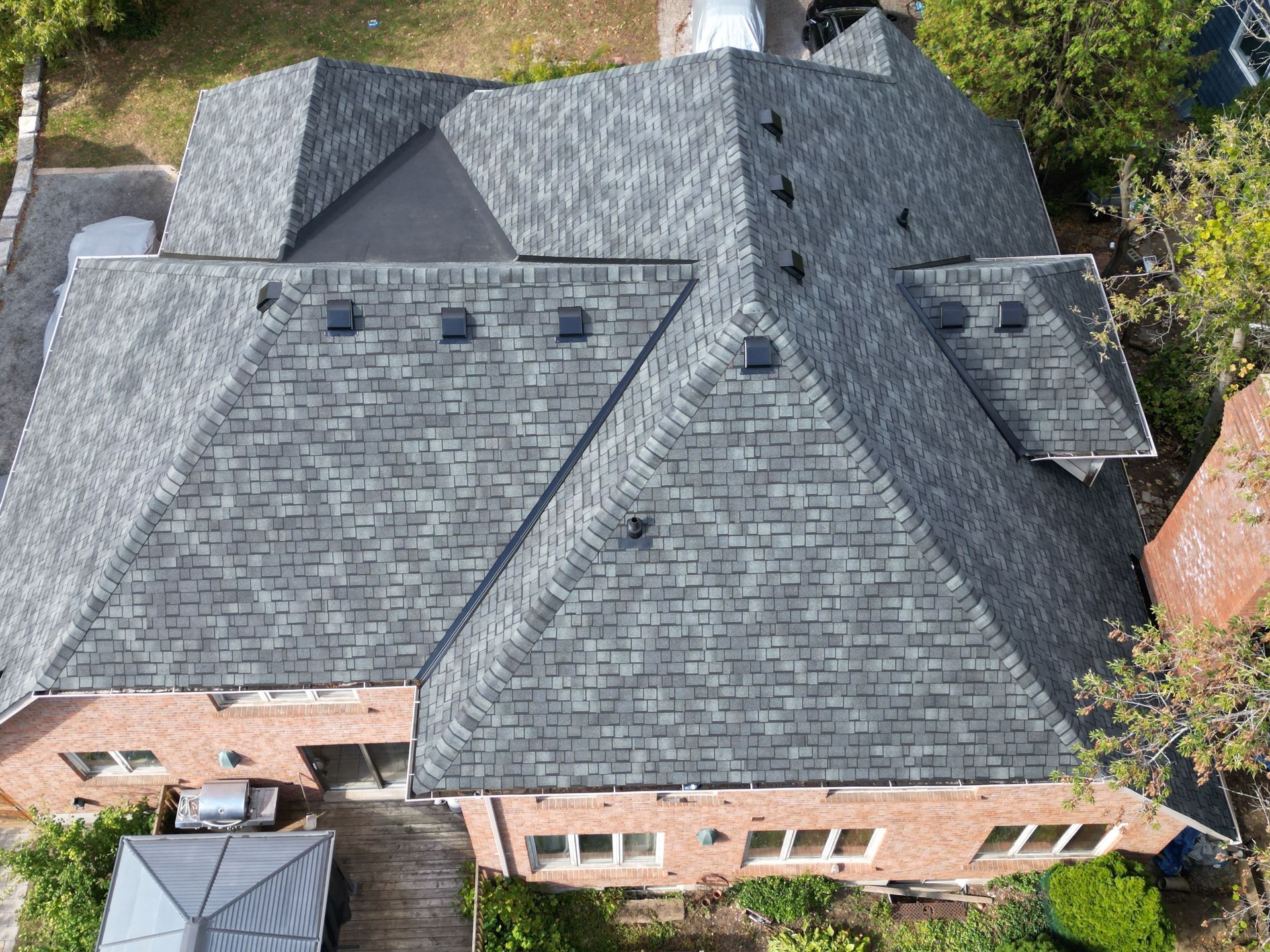
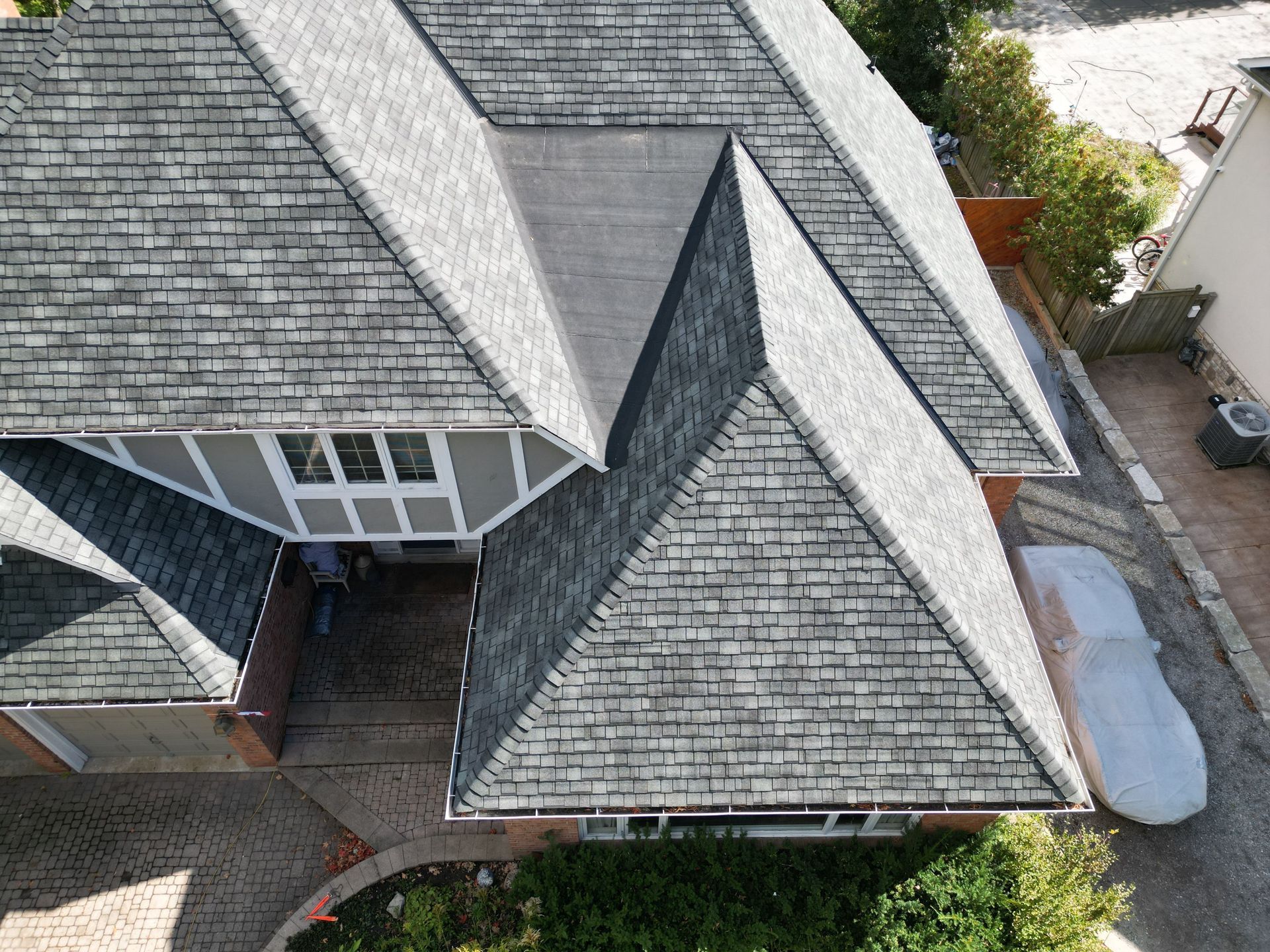
The valleys on your sloped roofing are the most critical drainage zones on the entire structure. When a leak develops in these recessed areas, homeowners in Halton, ON frequently ask contractors to simply apply a patch over the damaged section. The hard truth is that patching a roof valley is incredibly risky and rarely lasts through a harsh weather cycle. Understanding the mechanical stress these areas face will help you set realistic expectations about roof repairs.
What We Cover:
- The Reality of Valley Water Flow
- Why Temporary Patches Often Fail
- Overestimating the Cost of Full Replacement
- Frequently Asked Questions
- Making the Right Repair Choice
The Reality of Valley Water Flow
A roof valley acts as a funnel for two intersecting roof planes. This means it handles double the water volume and debris load compared to the flat faces of your shingles. During a heavy rainstorm, water rushes down these channels with intense speed and force. Any minor defect in the materials is immediately exploited by this high-velocity water flow.
When you introduce a patch into this high-stress environment, you create an uneven surface that disrupts the natural drainage path. Even the highest quality roofing cement creates a slight dam that forces water to pool or run sideways under the adjacent shingles. The physical demands of this area mean that structural continuity is the only way to guarantee a watertight seal.
→ From a professional standpoint: Water will always find the path of least resistance, and an uneven patch provides the perfect entry point for moisture.
Why Temporary Patches Often Fail
Applying a layer of tar or sliding a single sheet of metal over a leaking valley ignores the hidden layers underneath. A leak in this zone usually means the protective ice and water shield beneath the shingles has already been breached. Smearing sealant on top does absolutely nothing to fix the rotted plywood decking hidden below the surface.
Furthermore, standard roofing sealants dry out and crack when exposed to daily temperature shifts. The constant expansion and contraction of the roof deck pulls the patch apart within a matter of months. What starts as a cheap fix quickly becomes a recurring nightmare every time it rains.
→ A quick tip to remember: Relying on surface caulking to fix a valley leak guarantees you will be paying for the exact same repair again next season.
Overestimating the Cost of Full Replacement
Many property owners assume that fixing a valley correctly requires replacing the entire roof system. This common overestimation drives people toward cheap patches out of fear of a massive bill. In reality, a skilled roofing crew can often replace just the affected valley section by carefully removing the surrounding shingles and installing new underlayment and flashing.
By tying new materials cleanly into the existing roof planes, professionals restore the structural integrity without forcing a total property overhaul. This localized replacement process costs more upfront than a tube of caulking but saves you from catastrophic water damage down the line. Setting realistic expectations about the scope of work allows you to budget for a permanent solution.
→ From a professional standpoint: Paying for a proper valley reconstruction is always cheaper than repairing water-damaged drywall and moldy insulation inside your home.
Frequently Asked Questions
Why do roof valley patches continue to leak after repair?
Patches leak because they rely on chemical sealants rather than gravity to keep water out. The uneven edges of a patch catch fast-moving water and force it sideways under the existing shingles. Once the underlying wood is saturated, the water simply bypasses the patch entirely and drips into your attic.
Is it cheaper to repair a roof valley or replace that section entirely?
A tube of roofing cement is technically cheaper than a localized replacement today. However, replacing the valley correctly is financially smarter because it permanently solves the issue. Continuing to pay for temporary patches while structural rot spreads will eventually force a highly expensive emergency repair.
How long will a roof valley patch hold up?
A surface patch in a high-flow roof valley typically lasts less than a year. The extreme temperature fluctuations and heavy water volume degrade the sealant very quickly. In many cases, a strong winter freeze will crack the patch open in just a few months.
Making the Right Repair Choice
Dealing with a valley leak properly protects the structural framing of your entire home. Choosing to replace the damaged materials rather than patching them ensures your property remains dry through the toughest weather. Give us a call today to schedule a thorough inspection and get an honest assessment of your roof.