
Why Your Asphalt Shingles Are Losing Granules in the GTA and How to Fix It
Homeowners are constantly faced with important decisions about property maintenance. Catching small signs of wear before they turn into major leaks is a priority for anyone managing a house or commercial building. That is where AAA Roofmasters can help you make sense of the debris collecting around your exterior. We know that sloped roofing issues can escalate quickly if ignored.
Seeing a heavy buildup of dark sand in your gutters is a clear warning sign that your asphalt shingles are breaking down. Many people living in Mississauga, ON brush this off as normal weathering. The truth is that heavy granule loss leaves your home vulnerable to active water damage and premature decay. Understanding why this happens allows you to take action before serious structural problems begin.
In This Article:
- Normal Aging Versus Premature Failure
- The Root Causes of Granule Loss
- Why are there so many granules washing off my roof into the gutters?
- The Danger of DIY Shingle Patching
- Protecting Your Property
Normal Aging Versus Premature Failure
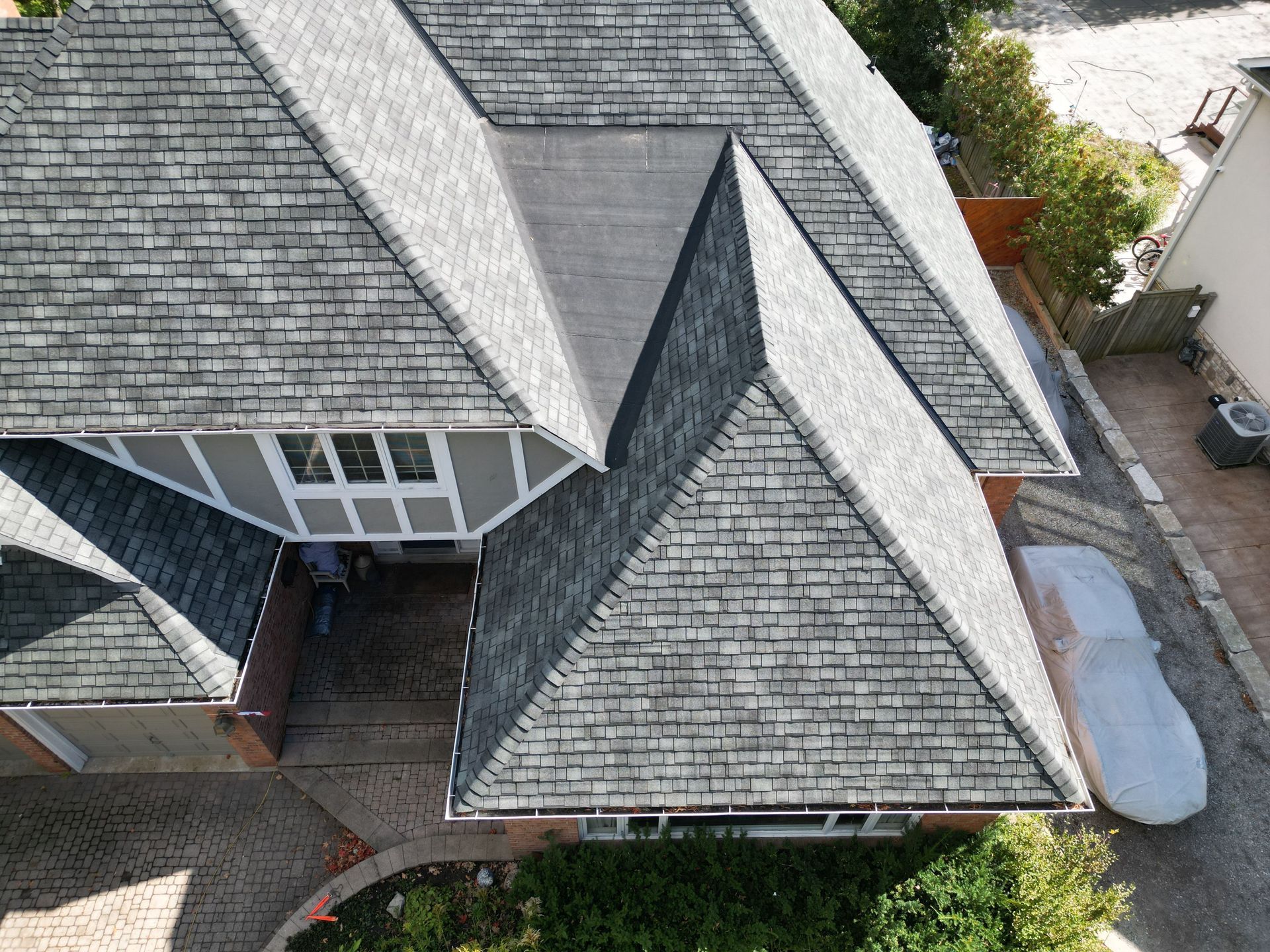
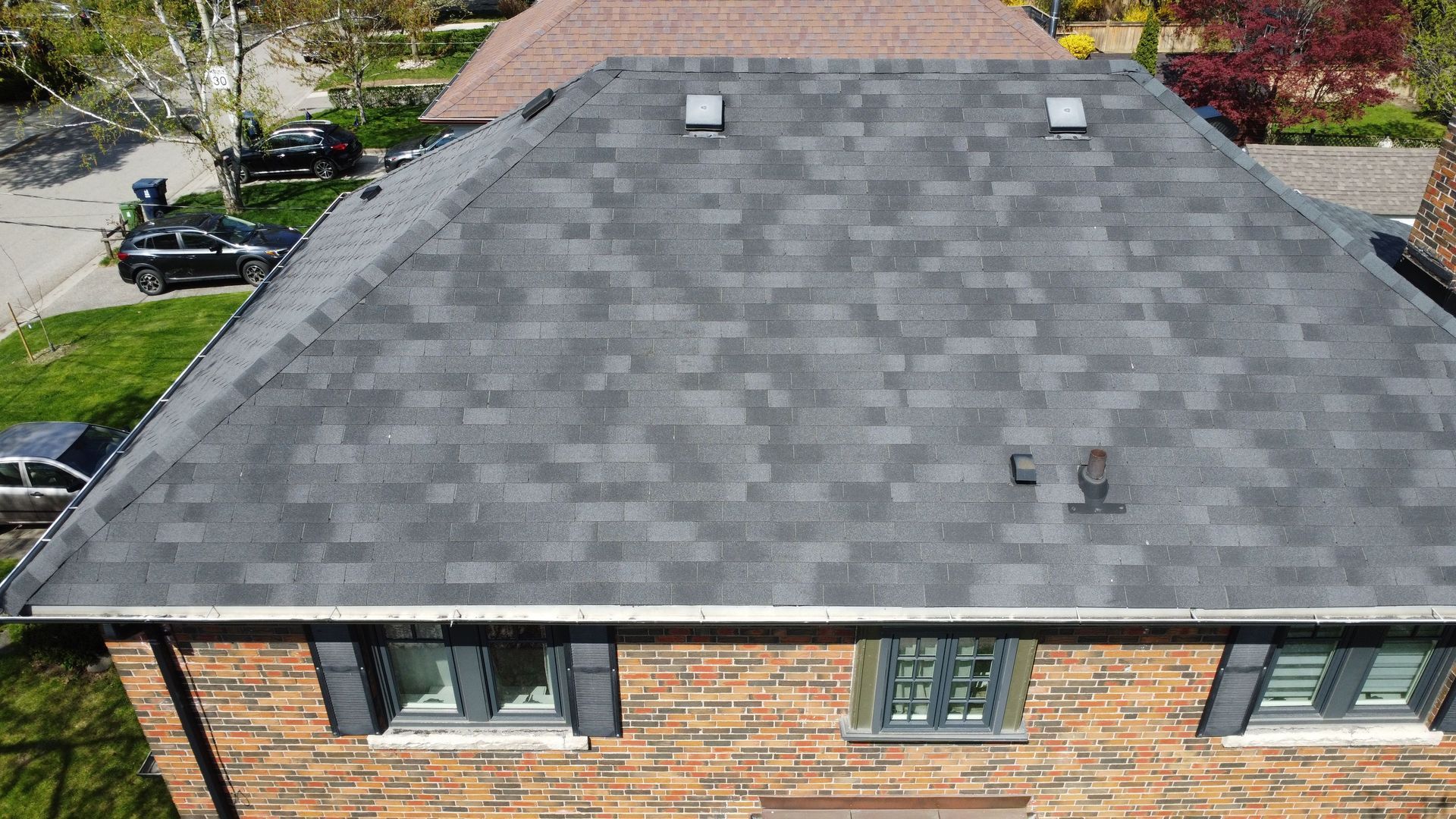
Asphalt shingles are coated with crushed rock granules that protect the asphalt layer from ultraviolet rays and physical impacts. It is completely normal to see a small dusting of these granules wash into your eavestroughs during the first year after a new roof installation. This happens because excess materials from the manufacturing process naturally shed during early rainstorms. However, if your roof is several years old and suddenly starts shedding large amounts of material, you are looking at premature failure.
Once the granules wash away, the underlying asphalt bakes in the sun and quickly becomes brittle. This leads to cracking, curling, and eventually active leaks inside your attic space. Catching this rapid degradation early can mean the difference between a targeted roof repair and needing a complete replacement.
→ A quick tip to remember: If you can see bare black spots on your shingles from the ground, the protective layer is already compromised.
The Root Causes of Granule Loss
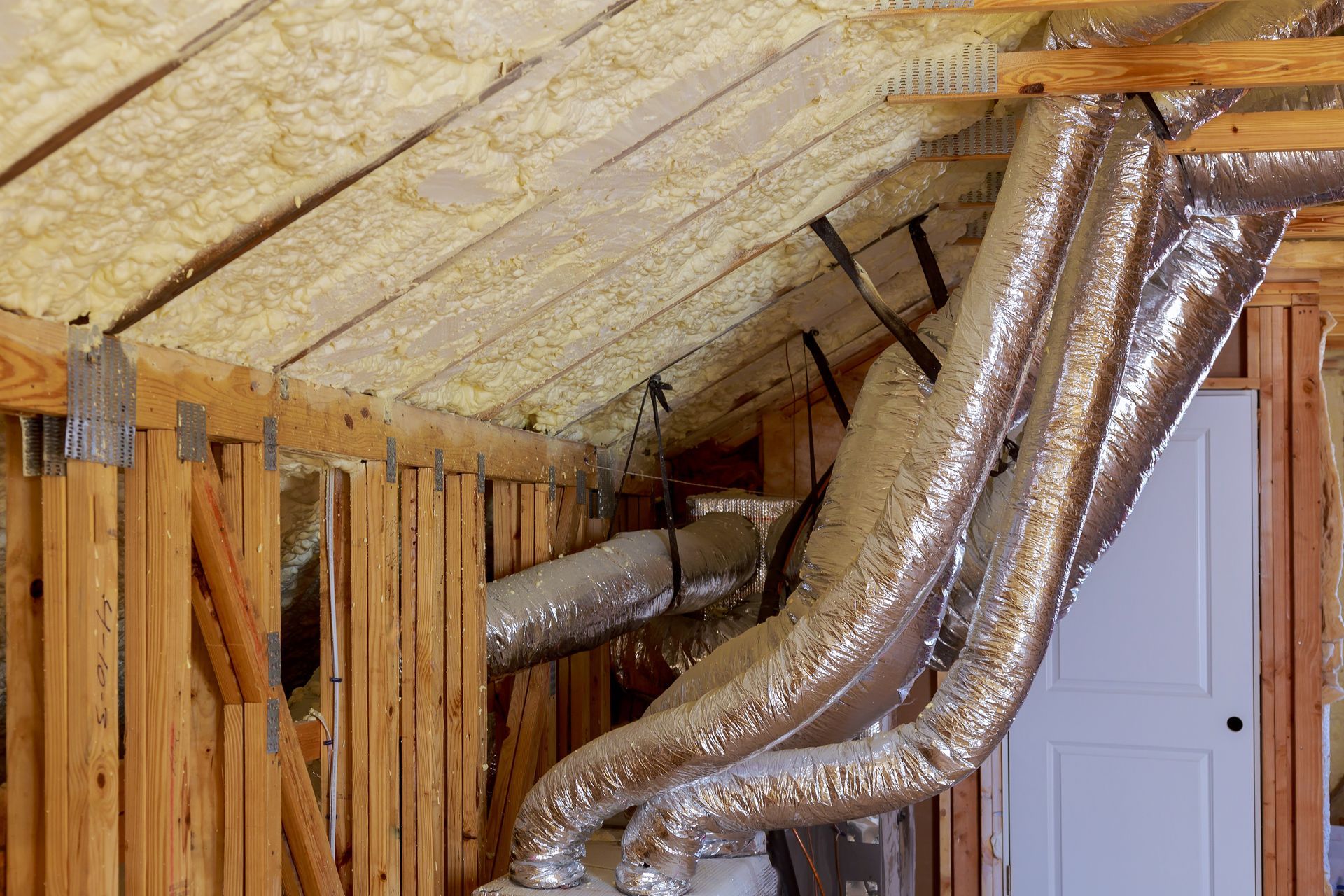
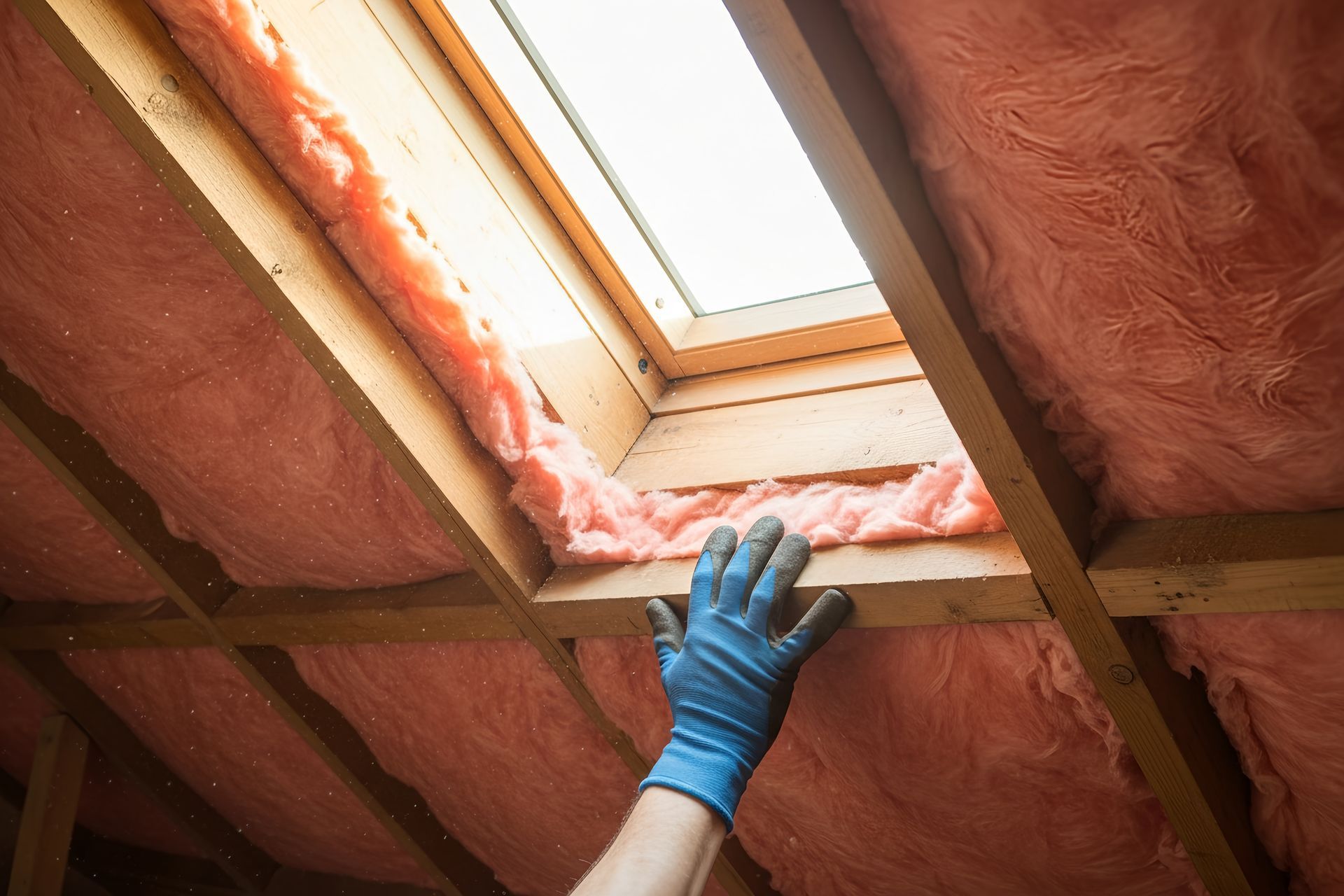
Several specific factors accelerate granule loss on sloped roofs. Poor attic ventilation is a leading cause because trapped heat essentially cooks the shingles from the inside out. This intense heat breaks down the adhesive bonds holding the protective granules in place. Severe weather impacts like heavy hail or falling tree branches also physically dislodge the materials from the asphalt mat.
Another common culprit is a manufacturing defect where the asphalt was not properly heated before the granules were applied. In these cases, the materials simply do not stick and begin washing away almost immediately. Identifying the exact cause is necessary to determine if a simple repair will hold or if the materials themselves are fundamentally flawed.
Why are there so many granules washing off my roof into the gutters?
When granules accumulate rapidly in your gutters, it is usually because the sealant strips on your shingles have dried out and failed. As the shingles lose their flexibility, wind and rain easily strip the loose surface material away. This debris then flows downward with the rainwater and settles heavily in your drainage system. Blocked gutters then create a secondary problem by trapping water against the edge of your roofline.
→ From a professional standpoint: Clearing your gutters regularly helps you monitor exactly how much shingle material is being lost after major storms.
This ongoing cycle of wear and tear is something clients notice firsthand when trying to keep up with property maintenance. It is a pattern the team at AAA Roofmasters hears regularly from homeowners looking for reliable solutions.
► Client Experience: I had a great experience. I needed someone to fix my roof and I couldn’t remember the name of the company I used in 2022 so I called around and I realized after contacting this company it was the same one that helped me on an urgent issue prior. Just like before he was prompt very fairly priced and easy to work with! I high recommend this team! - Aisha Khalid
Having a professional correctly diagnose the issue ensures you get the right repair at a fair price.
The Danger of DIY Shingle Patching
Many property owners try to fix bare patches themselves by applying liquid roofing cement or nailing spare shingles over the bald spots. This approach almost always causes more harm than good. Walking on a degraded roof pushes even more granules loose and easily cracks the brittle asphalt underneath. Furthermore, smearing sealant over bare spots traps moisture and disrupts the natural shedding of water down the roof slope.
DIY repairs also fail to address the underlying cause of the granule loss. If poor ventilation is destroying the shingles, patching a small area will not stop the rest of the roof from deteriorating. Professional emergency roof repairs focus on removing the compromised sections entirely and integrating new materials seamlessly into the existing structure.
→ A quick tip to remember: Improper nailing during a DIY repair is a guaranteed way to void your manufacturer warranty and invite water directly into your home.
Taking Action Before Leaks Start
Ignoring heavy granule loss simply guarantees that water will eventually find its way into your living space. Taking the time to schedule a proper inspection gives you a clear picture of how much life your roof actually has left. Reach out today to have our skilled tradesmen assess your shingles and provide a permanent fix.