

The Urgent Need to Fix Blocked Attic Soffit Vents Before Autumn
Homeowners are constantly faced with important decisions regarding energy efficiency and structural preservation. Managing the airflow inside your roof is an essential task that often gets completely ignored until serious damage occurs. That is where AAA Roofmasters can help you understand the hidden mechanics of your property. We focus on clear communication and technical expertise to keep your building performing exactly as it should.
During the late summer months, many homeowners in North York, ON prepare for cooler weather by adding new materials to their attics. Unfortunately, this often leads to blocked soffit vents when insulation is shoved too far toward the roof edge. When the fresh air intake is choked off, autumn condensation becomes trapped inside the roof cavity. Fixing this ventilation failure is an urgent priority before the dropping temperatures turn that moisture into destructive rot.
In This Article:
- Stage 1: Assess the Ventilation
- Stage 2: Schedule the Clear Out
- Stage 3: Protect Your Roof Structure
- Frequently Asked Questions
- Beating the Fall Weather
Stage 1: Assess the Ventilation
The first phase involves actively checking your home for signs of restricted airflow. You must confirm whether the intake vents under your eaves are actually functioning.
- Exterior Check: Walk the perimeter of your house and look up at the perforated panels under the roof overhang to spot heavy dirt or paint clogs.
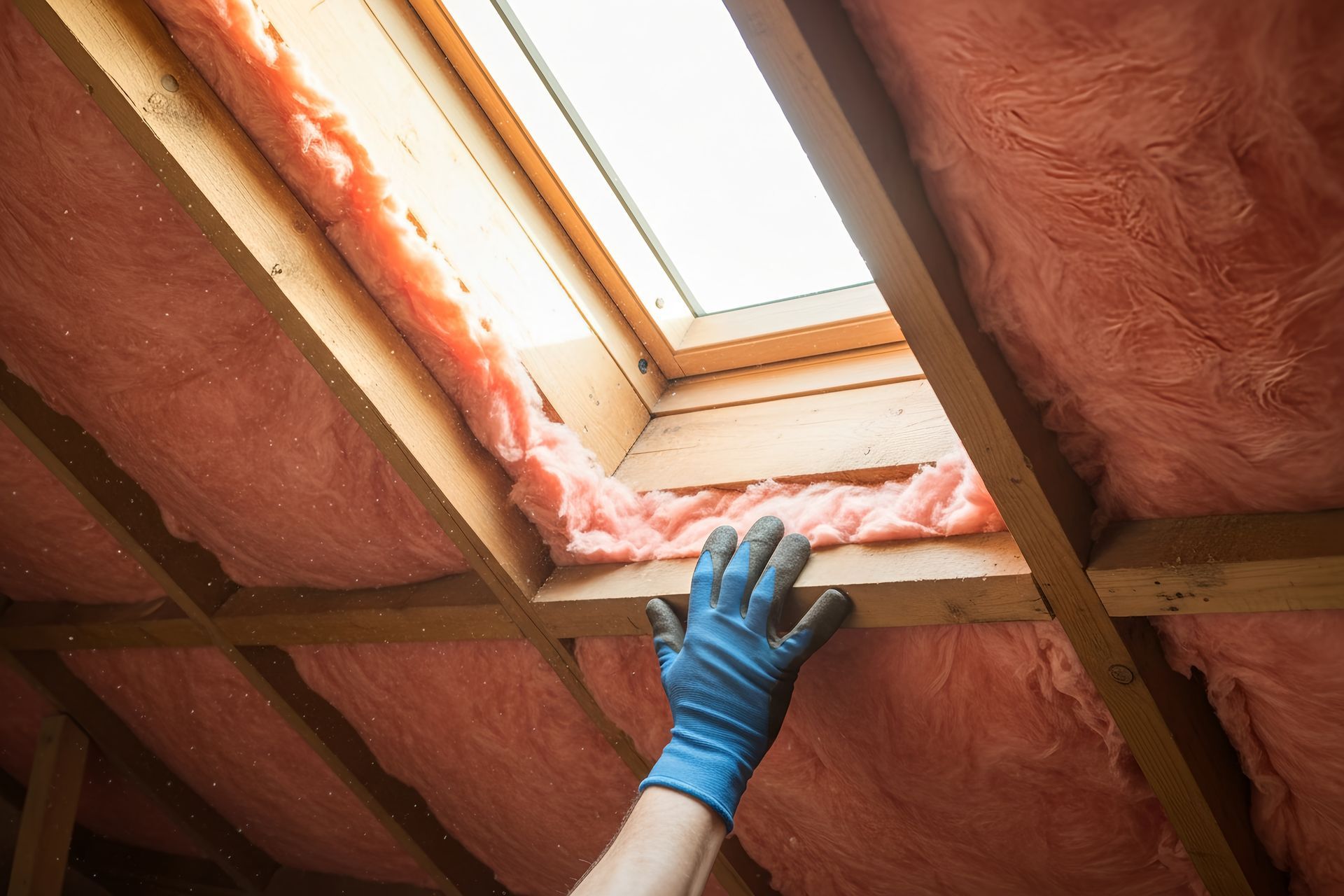
- Attic Inspection: Look inside the attic space to see if the insulation is pushed tight against the sloping roof deck.
- Moisture Odors: Pay attention to any damp or musty smells inside the upper floors which strongly indicate trapped condensation.
- Heat Build-Up: Notice if the attic feels suffocatingly hot on a cool September evening, proving that fresh air cannot circulate.
Stage 2: Schedule the Clear Out
Once you verify that the vents are blocked, you must clear the obstructions immediately. This stage requires moving materials without compressing your thermal barrier.
- Pulling Material Back: Rake the loose blown-in insulation away from the extreme edges of the roofline.
- Installing Baffles: Slide rigid plastic or foam ventilation baffles between the roof deck and the insulation to create a permanent air channel.
- Clearing Perforations: Use a stiff brush or compressed air to clean the dirt out of the tiny holes in the exterior soffit panels.
- Verifying Airflow: Hold a piece of tissue paper near the newly cleared baffles to confirm you can feel a steady draft coming from outside.
Stage 3: Protect Your Roof Structure
The final stage focuses on securing the system so the blockage does not happen again. This involves professional techniques that protect your sloped roofing investments.
Baffle Securing: Staple the plastic baffles firmly to the roof decking so they do not slide down during heavy winds.
Re-leveling Insulation: Spread the relocated insulation evenly across the center of the attic floor to maintain consistent heat retention.
Exhaust Verification: Check your roof vents and ridge vents to ensure the air coming in through the soffits has a clear path out.
► The most critical urgency fact regarding blocked vents is that trapped autumn moisture will drip directly onto your insulation, permanently ruining its ability to hold heat before winter even starts.
Frequently Asked Questions
What happens if my attic insulation covers the soffit vents?
Covering these vents completely stops cold air from entering the lower part of the roof. Without this incoming cold air, the hot air inside cannot be pushed out through the top exhaust vents. This creates a stagnant, humid environment that warps plywood decking and breeds black mold rapidly.
How can I tell if my attic baffles are blocked or missing?
The clearest sign from inside the attic is seeing insulation packed tightly into the sharp angles where the roof meets the floor. If you do not see a distinct plastic or cardboard channel sitting above the insulation near the edges, the baffles are missing entirely. From the outside, persistent peeling paint on your wooden fascia boards often points to a severe ventilation failure.
Does poor ventilation ruin new insulation?
Yes, poor ventilation is highly destructive to both fiberglass and cellulose materials. When humid air cannot escape, it condensates and drips directly onto the thermal layers. Wet insulation clumps together, loses its required air pockets, and essentially becomes useless at stopping heat transfer.
Beating the Fall Weather
Clearing out your soffit vents right now stops moisture accumulation dead in its tracks. Taking action in September ensures your home stays dry and highly energy efficient all winter long. Reach out to our team today to schedule a thorough attic inspection and secure your roof ventilation.