

Flat vs. Sloped Roofing: Which Survives a Toronto Winter Better?
Heavy snow loads place immense physical stress on commercial and residential building structures. The crews at AAA Roofmasters evaluate structural damage across the GTA every winter caused by poor drainage and inadequate weight distribution. Understanding how different architectural designs handle freezing precipitation prevents catastrophic water ingress when the snow finally melts.
Building owners frequently misunderstand how their specific roof layout dictates their seasonal maintenance schedule. The physical shape of your building determines where ice accumulates and how fast water sheds off the property. Choosing the right material for your specific slope protects your interior framing from moisture rot.
Examining winter roof performance
- Flat system drainage: Moving standing water effectively
- Sloped roof shedding: Managing ice dams and snow load
- Material durability: Selecting the right barrier
- Frequently Asked Questions
Managing Water With Flat Roofing
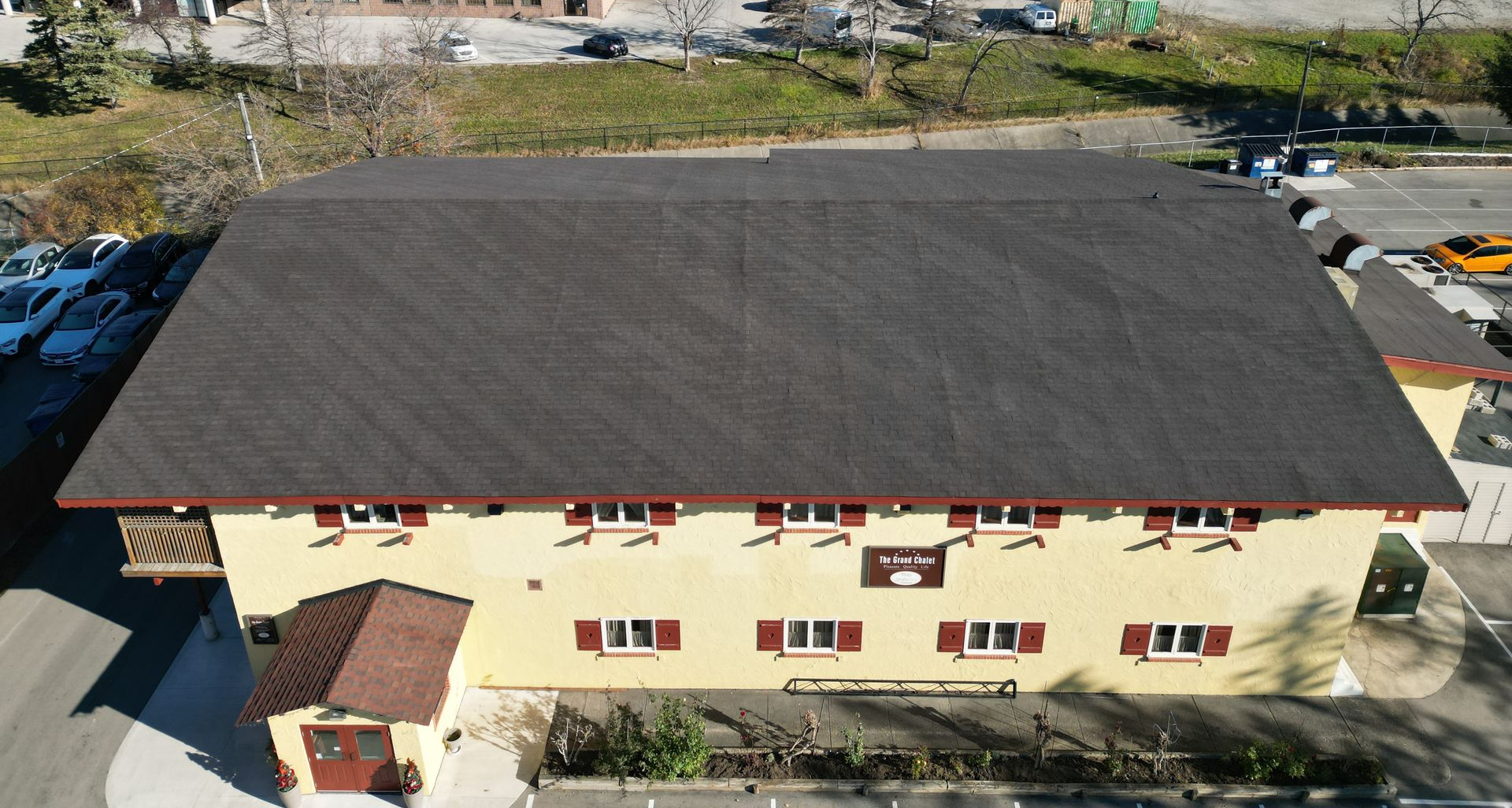
Flat roofing systems are not actually perfectly level. They possess a slight pitch that directs melting snow toward centralized drains or scuppers along the parapet walls. When these drains clog with autumn leaves the melting snow turns into stagnant ponds that freeze solid overnight. This expanding ice tears at the seams of older membranes and destroys the adhesive bonds. We install durable two ply modified bitumen and single ply TPO systems to withstand this constant freeze and thaw cycle across Toronto and Mississauga.
Shedding Snow On Sloped Structures
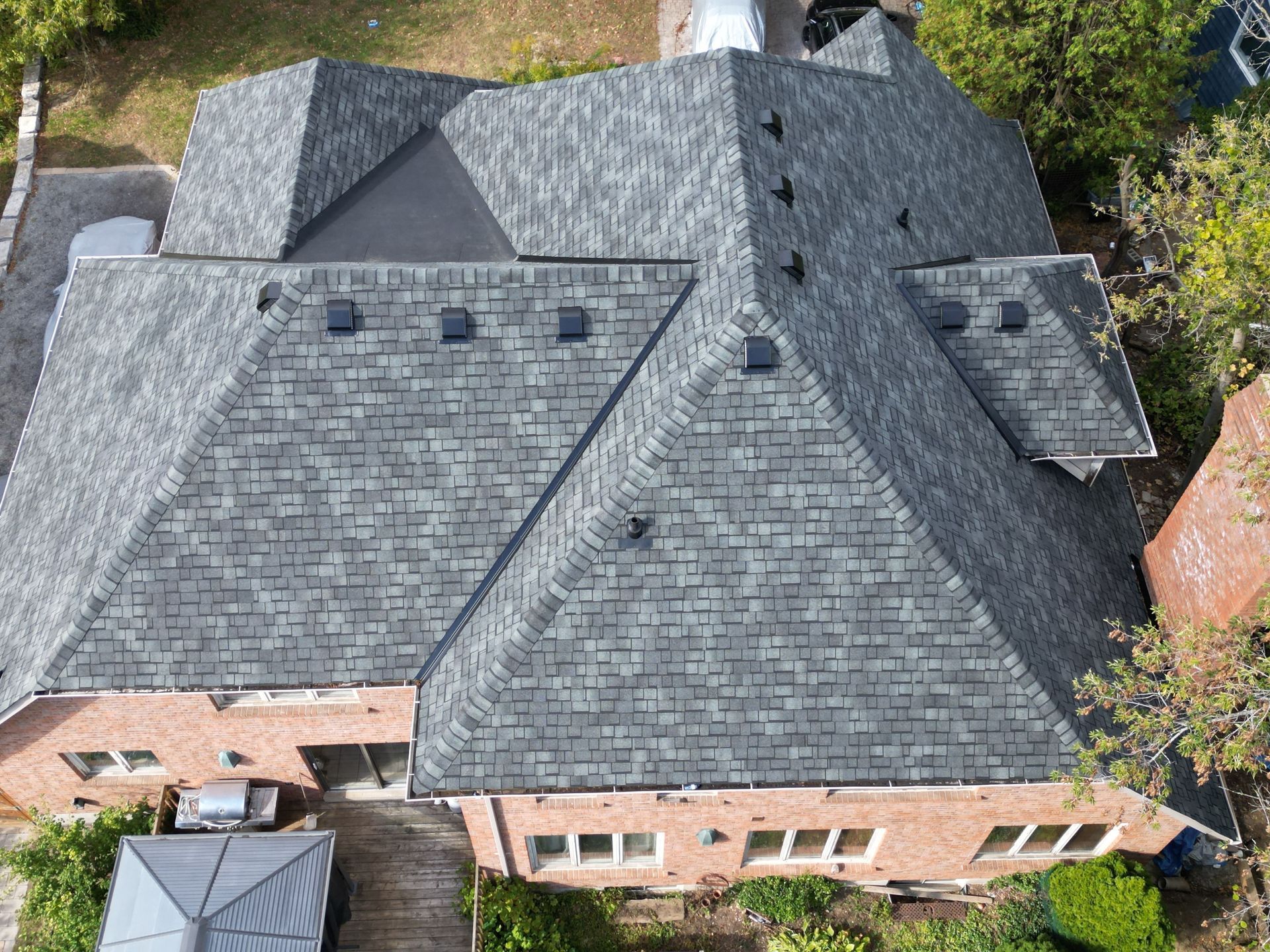
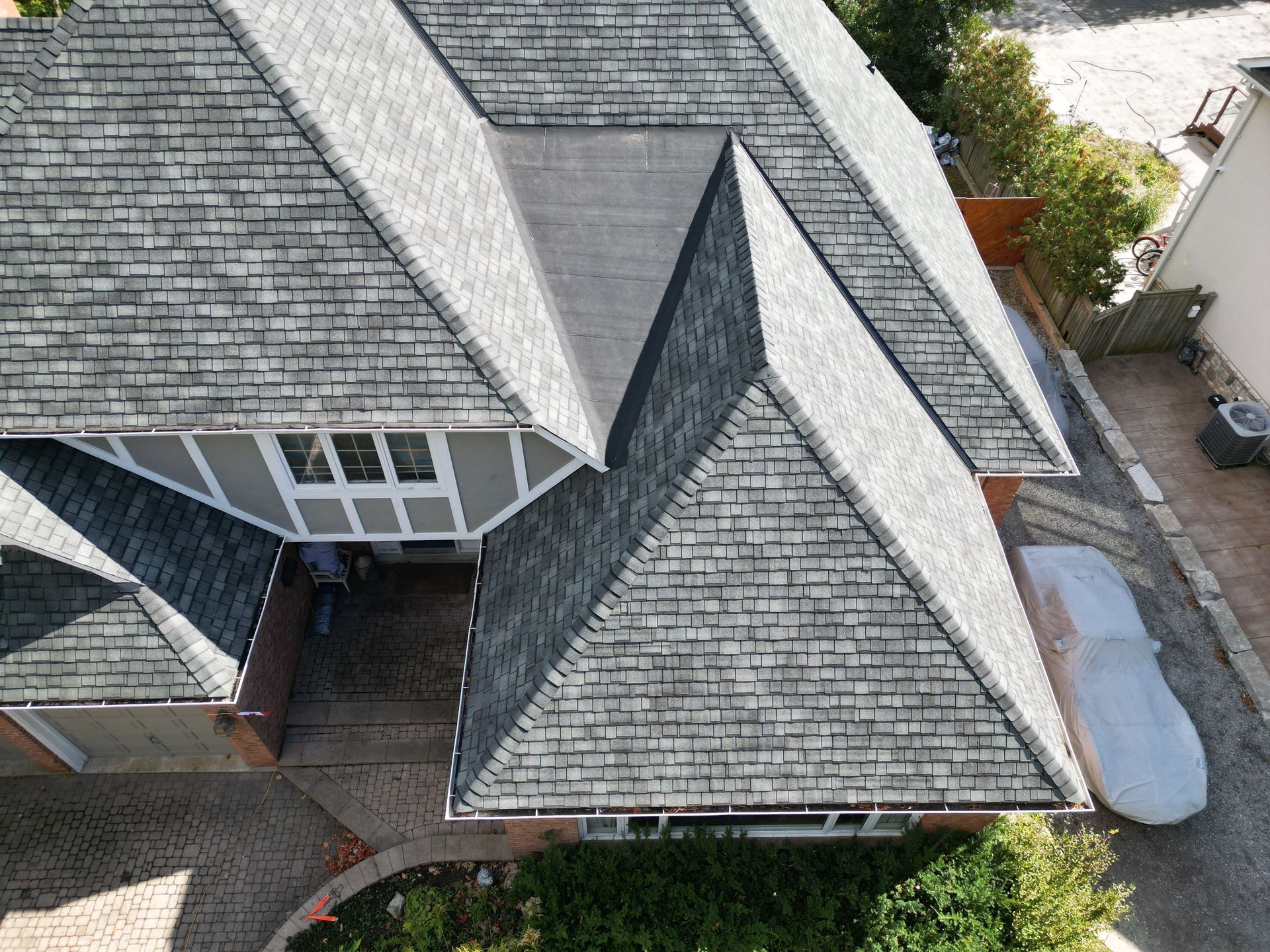
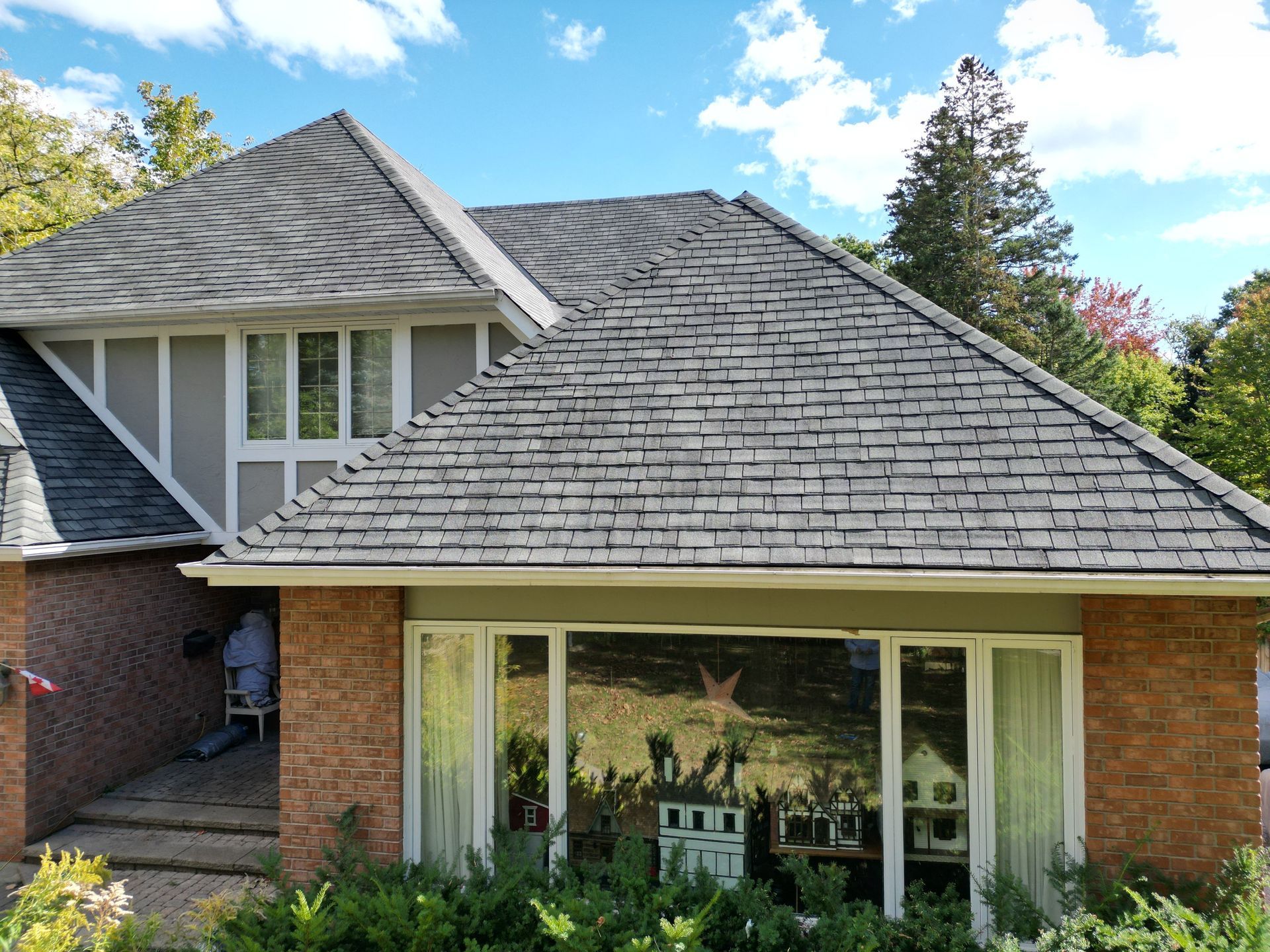
A sloped roof utilizes gravity to shed heavy snow before the weight compromises the roof trusses. While asphalt shingles shed water highly efficiently they remain vulnerable to ice dams along the lower edges. Heat escaping from poor attic insulation melts the snow at the peak allowing water to run down and freeze solid at the cold overhangs. Property managers often ask how do flat roofs handle snow compared to sloped roofs during a harsh storm. Sloped structures clear the heavy snow weight faster but require pristine eavestroughs to prevent frozen water from backing up under the lower shingles.
Selecting Appropriate Winter Materials
Matching the right roofing product to the pitch of your building is critical for winter survival. Using standard shingles on a flat or low slope surface guarantees water will seep backward under the overlaps during a heavy thaw. For commercial properties with zero pitch we rely on heavy duty rubberized membranes that provide a continuous watertight seal. Evaluating your property architecture dictates exactly which material will endure the harsh Ontario climate.
Finding the right fix for a problematic roof drain requires a professional assessment rather than a quick patch job. Our team looks at the entire drainage design before recommending a permanent solution.
Frequently Asked Questions
Do flat roofs require shoveling after a snowstorm?
You should only remove snow from a flat structure if the accumulation exceeds the structural load limit of the building framing.
Can I install metal roofing on a flat surface?
Metal panels require a minimum slope to shed water properly and will corrode quickly if exposed to continuous standing water.
Protecting Your Property This Season
Ignoring how your building sheds winter precipitation leads to severe water damage and structural decay. Identifying your drainage vulnerabilities now allows you to reinforce weak points before the heavy snowfall begins. Contact our assessment team today to evaluate your current roof condition.