
Why Timing Your Pre-Winter Attic Insulation Prevents Severe Ice Dams
Freezing weather exposes the hidden thermal failures inside residential properties. AAA Roofmasters finds that most winter roof leaks actually originate from poor temperature control inside the house rather than failing shingles. Fixing the boundary between your heated living space and your cold roof deck is the only way to stop destructive ice formations.
Applying a temporary patch over a winter leak does nothing to solve the underlying heat loss issue. Taking the time to upgrade your thermal barrier stops the thaw and freeze cycle that destroys your exterior building materials. Proper air sealing protects your structural wood and lowers your monthly heating bills significantly.
Exploring thermal boundary protection
- Heat loss mechanics: Understanding the freeze cycle
- Material performance: Stopping air leaks with attic insulation
- Ventilation balance: Keeping the roof deck cold
- Frequently Asked Questions
Understanding The Freeze Cycle
Ice dams form when warm air escapes from your living room into the space directly beneath your roof. This trapped heat warms the plywood decking and melts the snow resting on your shingles. The water runs down the slope until it hits the cold overhangs where it immediately freezes into a solid block of ice. Homeowners frequently ask does attic insulation prevent ice dams. The direct trade answer is yes because blocking the heat transfer keeps the entire roof deck uniformly cold so the snow melts naturally from the sun instead of your furnace.
Stopping Air Leaks With Attic Insulation
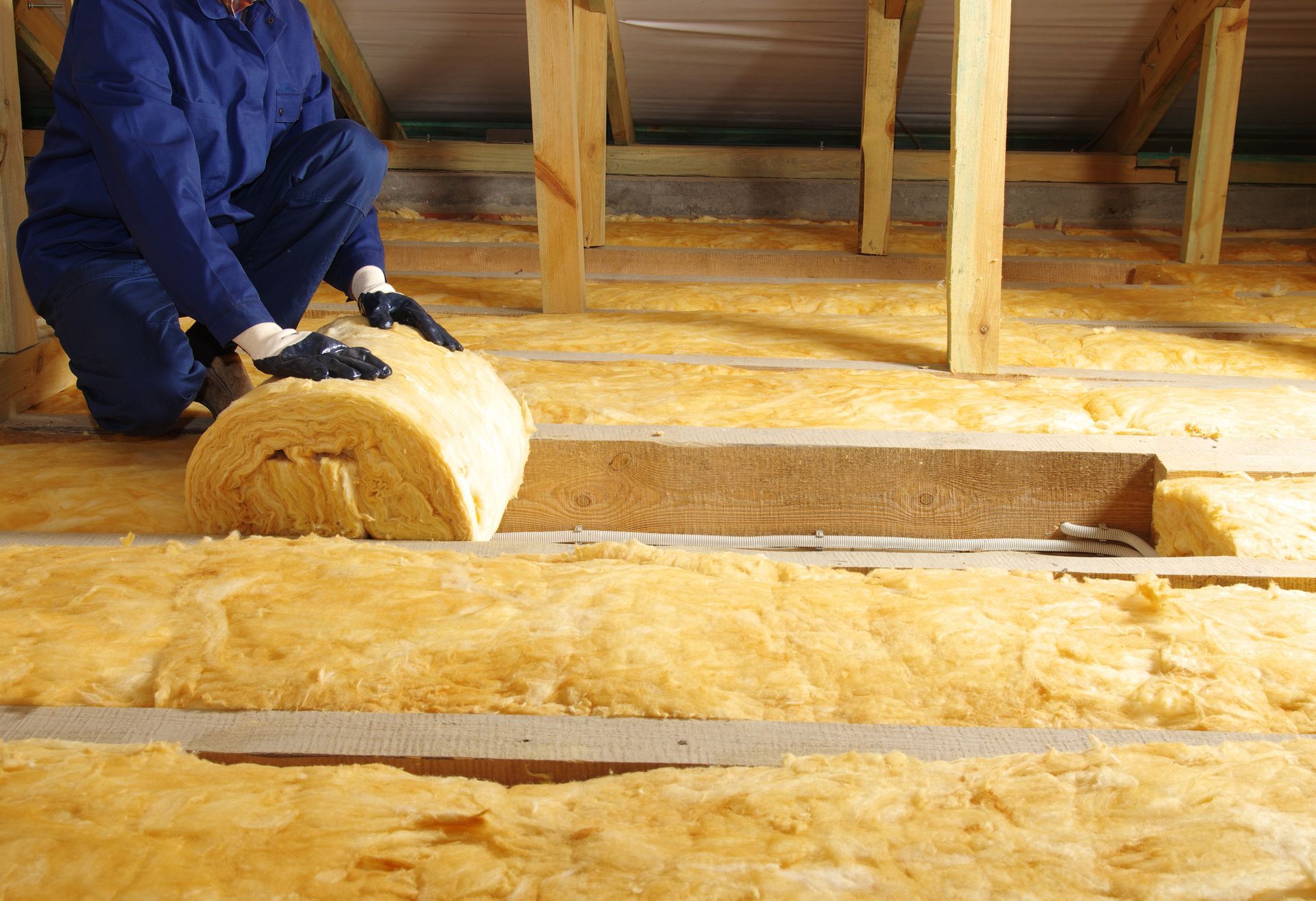
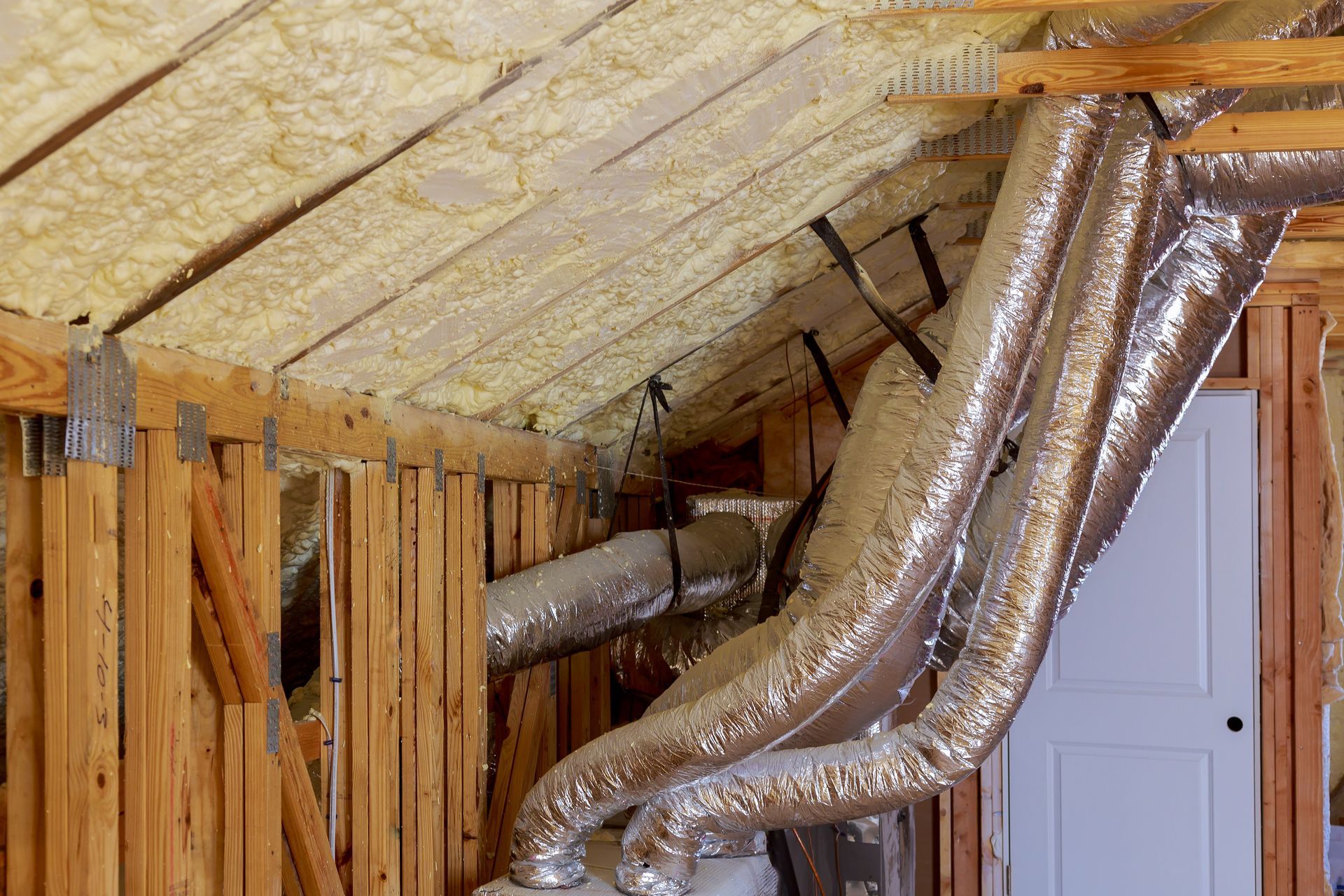
Pouring loose fill over huge air gaps wastes money and fails to stop convective heat loss. Warm air travels through recessed lighting fixtures, bathroom exhaust fans and unsealed attic hatches. We identify and seal these bypasses before adding any new thermal layers. Our attic insulation services utilize blown in cellulose to create a dense thermal blanket that settles tightly around complex framing joints. This material resists settling over time and provides a much higher resistance to heat flow than standard fiberglass batts.
Keeping The Roof Deck Cold
Adding thermal resistance is only half the battle. A healthy roof system requires constant airflow pulling cold outside air through the soffits and pushing it out through the ridge vents. If your soffit vents are blocked by old fiberglass batts the fresh air cannot circulate. We install proper baffles to keep the air pathways completely clear. This continuous ventilation flushes out any stray warm air and prevents winter condensation from rotting your structural plywood.
Solving complex home comfort issues requires a contractor who looks at the entire building envelope rather than just treating the symptoms. A thorough evaluation uncovers the real source of your energy loss.
Frequently Asked Questions
Will more insulation stop my roof from leaking?
Thermal upgrades prevent the formation of ice dams but will not fix water leaks caused by physically damaged or missing shingles.
How do I know if my soffit vents are blocked?
If you step outside and see heavy frost buildup on the underside of your roof overhangs your ventilation pathways are likely restricted.
Securing Your Winter Heating Budget
Trapping your expensive furnace heat inside your living areas prevents severe exterior ice damage. Upgrading your thermal barrier keeps your home comfortable and protects your roof decking from moisture rot. Call our service department today to schedule a complete thermal evaluation.